Japanese Restaurant Seating: Counter, Table, or Tatami?
On this page
- Quick answer
- Choose counter seating for a closer view
- Choose a table for flexibility
- Understand tatami-style seating
- Consider a private room
- Match the seat to your needs
- Questions to ask when reserving
- What to confirm on arrival
- Limitations and important notes
- Sources and evidence notes
- Frequently asked questions
- Conclusion and next steps
Quick answer
Choose a Japanese restaurant counter when you want a closer view of preparation and do not need much table space. Choose a standard table for groups, children, mobility needs, or a longer meal. Choose tatami-style seating for a more traditional setting only after confirming whether shoes must be removed, how low the seat is, and whether chairs or a recessed footwell are available.
Japanese restaurants in the United States use these terms differently. Photos can help, but call the actual location before booking when seating affects comfort, accessibility, privacy, or the experience you want.
Choose counter seating for a closer view
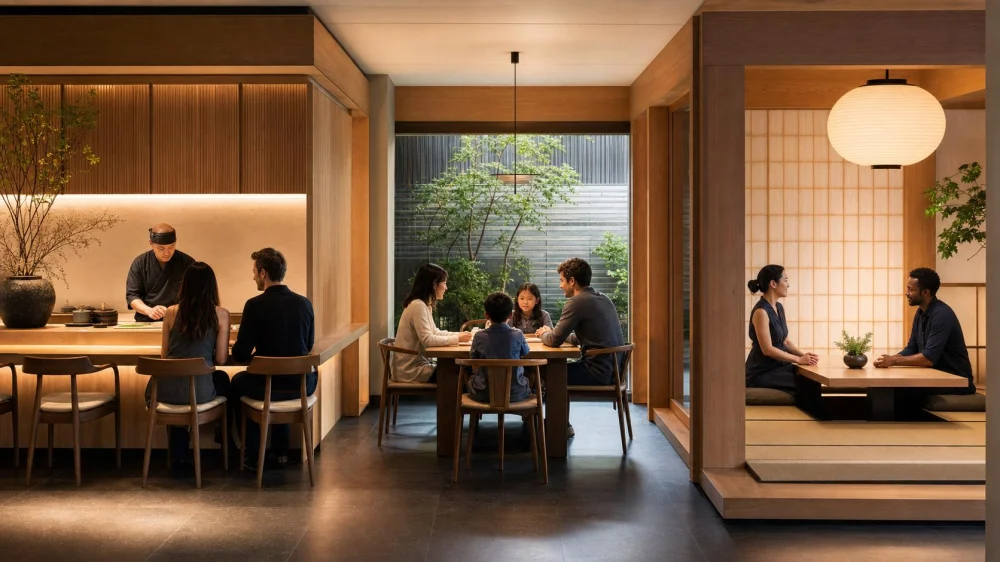
Counter seating places diners along a bar-height or standard-height surface, sometimes facing a sushi station, grill, open kitchen, or beverage area. It can turn preparation into part of the meal.
Best for:
- Solo diners or pairs
- Guests who enjoy watching chefs work
- A focused sushi, tempura, yakitori, or tasting experience
- Shorter conversation across a narrow surface
Not ideal when:
- Your group wants to face one another
- You need room for a child seat, mobility device, bags, documents, or assistive equipment
- A high stool, backless seat, or fixed chair would be uncomfortable
- You prefer privacy or distance from cooking sounds, heat, or aromas
Not every counter offers chef interaction. Some face a service bar or wall, while others are reserved for a set menu. Ask whether the counter is high or standard height, whether seats have backs, and whether the meal format differs from table service.
Choose a table for flexibility
A conventional table is usually the most adaptable option. It provides shared space, face-to-face conversation, and easier placement of several dishes.
Best for:
- Families and groups
- Shared plates, hot pot, or a meal with many small dishes
- Guests who need chair backs or a familiar seat height
- Business meals and conversations where eye contact matters
- Diners using mobility devices, when the route and table clearance are accessible
Ask whether tables are freestanding, booth-style, communal, or fixed to the floor. A “table for four” can mean a compact booth with limited legroom or a movable table with chairs. For a wheelchair user, confirm the route, clear knee space, and whether a chair can be removed without blocking service paths.
Understand tatami-style seating
Tatami refers to traditional Japanese mat flooring. A restaurant may describe an entire room as tatami seating even when the exact arrangement varies.
Common setups include:
- Floor cushions: diners sit directly on cushions at a low table.
- Low chairs: chairs have backs but very short or no legs.
- Recessed seating: the table appears low, but a footwell below it allows a chair-like leg position. This style is often called horigotatsu.
- Raised platform: the tatami area is above the main floor and may require one or more steps.
Tatami-style rooms can feel quiet, intimate, and distinct from the main dining area. They can also require kneeling, sitting cross-legged, lowering to the floor, or stepping onto a platform. Do not assume a recessed footwell makes the route accessible; entrance steps, narrow passages, or the transfer into the seating area may still be barriers.
Some Japanese-style spaces require guests to remove shoes before stepping onto tatami. Wear clean socks and shoes that are easy to manage if the restaurant confirms this policy. Ask where shoes are stored and whether an alternative is available if removing footwear is difficult for medical, mobility, or orthotic reasons.
Consider a private room
A private or semi-private room may use tables, booths, tatami, recessed seating, or a combination. The word “private” does not specify the seat type.
Best for:
- Celebrations, family events, or business meals
- Guests who benefit from a quieter sensory environment
- Groups that need space for conversation or a slower pace
- Situations where privacy matters
Confirm minimum spending, room fees, time limits, menu requirements, cancellation terms, and service charges before committing. Also ask whether walls reach the ceiling, doors close, music is audible, and servers must pass through another group’s space.
Match the seat to your needs
For children
Ask about high chairs, booster seats, booth dimensions, hot surfaces, and whether strollers can be parked without blocking aisles. A low table can look child-friendly but may place hot pots, grills, or fragile dishes within easy reach.
For older adults or joint and back concerns
A standard chair with a back may be easier than a stool, floor cushion, or low chair. Ask about seat height, back support, steps, handholds, and the distance from entrance to table.
For mobility access
Describe the mobility device and functional need. Confirm step-free entry, aisle width, elevator access, table clearance, removable chairs, and an accessible restroom. Request a standard-height table if lowering to a platform or floor would not work.
For hearing, vision, or sensory needs
Counters near open kitchens can be louder and visually busy. Private rooms may be quieter but dimmer or farther from staff. Ask about lighting, music, kitchen noise, crowd level, and whether the restaurant can seat you in a lower-traffic area.
For allergies or dietary communication
Choose a seat where you can communicate clearly with staff, but do not assume sitting near a chef replaces the restaurant’s allergy process. Ingredient verification and cross-contact controls still need a direct, confirmed plan.
Questions to ask when reserving
- What does “counter,” “table,” or “tatami” mean at this location?
- Is the counter high, and do the stools have backs?
- Does the tatami area use floor cushions, low chairs, or a recessed footwell?
- Are shoes removed, and is there a non-tatami alternative?
- Are there steps, narrow doors, or a raised platform on the route?
- Can a standard chair be substituted or removed?
- Can the table accommodate a wheelchair, high chair, stroller, or other equipment?
- Does the seat require a special menu, minimum purchase, room charge, or time limit?
- Can the seating request be attached to the reservation?
When the distinction matters, ask the host to describe the seat in plain language or direct you to a current photo of that exact area. Reservation-platform labels may not capture a recent renovation or the layout of a particular branch.
What to confirm on arrival
- Repeat the reserved seating type before the host leads the group into the dining area.
- Check for steps, footwear rules, seat height, and space before everyone settles in.
- Ask for a reasonable alternative promptly if the assigned seat differs from what was confirmed.
- Keep aisles clear of shoes, bags, strollers, and mobility equipment.
- Follow staff directions for the safe placement of outerwear and footwear.
- Before a hot pot or tabletop grill is placed, make sure all diners can reach and move safely.
If you need to change seats, ask early. A small restaurant may have limited alternatives after peak service begins, especially when a counter tasting or private room was reserved for a specific number of guests.
Limitations and important notes
There is no universal U.S. layout attached to a Japanese seating term. A restaurant may use “tatami room” for a Japanese-inspired private room with standard chairs, or use “counter” for seats that do not face food preparation.
Photographs from reviews can be outdated or show a different location. The restaurant’s current description is the primary source for its seating, policies, charges, and accessibility arrangements.
This article describes practical comfort and access considerations, not legal requirements for a particular facility. If an accommodation is necessary, state the functional need clearly and ask the restaurant to confirm what it can provide.
Sources and evidence notes
- The Japan National Tourism Organization’s etiquette guide explains the relationship between tatami spaces and removing footwear, including removing slippers before stepping onto tatami.
- Japan’s official tourism examples show that Japanese restaurants may combine a chef-facing counter with private tatami rooms, illustrating why the seat type can change the meal experience.
Those sources describe practices in Japan, while this article is written for U.S. diners. Individual American restaurants may adapt the terms, layout, footwear custom, and service format.
Frequently asked questions
Is tatami seating always on the floor?
No. It may use floor cushions, low chairs, or a recessed footwell, and some rooms combine tatami flooring with standard seating. Ask for a description of the exact setup.
Is counter seating only for sushi?
No. Counters can face sushi preparation, tempura cooking, grills, open kitchens, beverage service, or simply a wall. The menu and interaction level vary.
Can a large group sit at the counter?
Possibly, but the seats may be split, fixed, or reserved for a particular menu. A table or private room often supports group conversation better. Confirm the restaurant’s maximum contiguous counter seating.
Do U.S. restaurants require shoes off on tatami?
Some do and some do not. Never assume. Follow the restaurant’s current policy, and ask about an alternative if removing footwear creates a health or mobility problem.
Should I book a private room for a quiet meal?
It may help, but “private” can still mean partial walls, open doors, music, or nearby groups. Ask how enclosed the room is and what charges, menu rules, and time limits apply.
Conclusion and next steps
Pick the experience first: close-up preparation at a counter, flexible group dining at a table, or a more traditional tatami-style setting. Then verify the actual seat height, footwear rule, route, space, menu conditions, and fees at the location you plan to visit. A one-minute seating check can prevent discomfort and help the restaurant prepare the right place for your group.


 Unagi Hibachi Grill5.0 (2 reviews)
 KOJIMA5.0 (9 reviews)
 Gorilla Sushi Bar On Clark4.0 (398 reviews)
 Mizu 21 Restaurant4.0 (201 reviews)
 Sushi Sake Sunset4.0 (904 reviews)
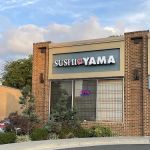 Sushi Yama (Yama Japanese Restaurant)4.0 (455 reviews)
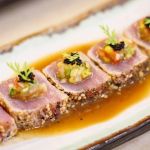 A Foodie’s Experience at Yama Japanese Restaurant: A Culinary Journey
 How to Reheat Tempura Without Making It Soggy Using Oven, Air Fryer, Toaster Oven
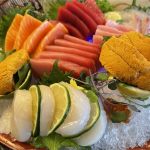 A Foodie’s Experience at Aki Japanese Restaurant – A Culinary Delight
 The Complete Guide to Dining at Wako Japanese Restaurant
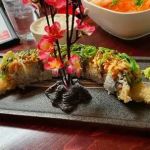 Why Oishi Japanese Restaurant Is a Must-Try Spot for Japanese Food Lovers
 Top Dishes You Should Order at Miyako Japanese Restaurant | Japanese Restaurant