
Ramen Menu Guide: Broths, Noodles, and Toppings
On this page
Quick answer
Choose ramen in four layers: broth body, seasoning, noodle texture, and toppings. Start with the flavor you want—light and clear, savory and balanced, creamy and rich, or spicy—then check the menu’s actual ingredients. Pick noodles that suit the broth, add only toppings you will enjoy, and ask the restaurant directly about allergens or dietary restrictions before ordering.
How a ramen bowl is built
Ramen is a Japanese noodle dish assembled from several components rather than a single fixed recipe. A typical bowl combines soup stock, a concentrated seasoning called tare, flavored oil, wheat noodles, and toppings. The restaurant’s balance among those parts creates the final taste and texture.
This framework helps first-time and curious diners at Japanese restaurants in the United States. Menu names and recipes vary by region, chef, and restaurant, so use style labels as clues rather than guarantees.
When reading a menu, do not assume the soup’s visible color tells you every ingredient. A pale broth may contain pork or chicken, while a dark soup may obtain much of its color from soy-based seasoning. Ask when ingredients matter.
Choose a broth style
The stock gives ramen much of its body. Restaurants may use pork bones, chicken, seafood, vegetables, kelp, dried mushrooms, or combinations. Common menu styles include:
- Tonkotsu: Usually a rich, opaque pork-bone broth with a creamy mouthfeel. Choose it when you want intensity and body; avoid assuming it means “pork topping,” because the name describes the broth.
- Chicken-based ramen: It can range from clear and delicate to thick and emulsified. Read the description for body and seasoning rather than expecting one standard result.
- Seafood or blended broth: Dried fish, shellfish, or other seafood can add aroma and savory depth. It may be subtle or pronounced and can matter for allergies.
- Vegetable broth: This may be light, creamy, or mushroom-forward. “Vegetable” does not automatically mean vegan; seasoning, oil, or toppings may contain animal ingredients.
- Spicy broth: Chili paste, oil, or seasoning can be added to several broth bases. Ask whether the heat level can be adjusted if the menu does not say.
Some menus emphasize the seasoning—shoyu, shio, or miso—rather than the stock. That is why the next layer matters.
Understand tare and seasoning
Tare is the concentrated seasoning placed in the bowl and mixed with stock. It controls much of the salt, aroma, and defining flavor.
- Shoyu: Soy sauce-based seasoning, often savory and aromatic. The final soup may be clear or rich depending on the stock.
- Shio: Salt-based seasoning that can let stock aromas remain prominent. “Shio” does not necessarily mean low sodium.
- Miso: Fermented soybean paste adds body, sweetness, saltiness, and depth. Recipes can range from mellow to robust.
A menu may combine these categories or use a house seasoning. If you prefer less salt, ask what can be adjusted; the broth may be prepared in batches, so customization may be limited.
Compare noodle textures
Ramen noodles are usually made from wheat flour, water, salt, and alkaline salts that contribute color, spring, and bite. Their thickness, shape, hydration, and cooking time affect how they carry soup.
Thin straight noodles often pair well with concentrated or creamy broths because they cook quickly and pick up soup. Medium wavy noodles can hold seasoning and work across many styles. Thick or flat noodles provide a chewier bite and may appear with robust soups or dipping ramen.
Some restaurants allow a firmness choice. Firmer noodles retain more bite; softer noodles may feel more tender and absorb soup sooner. Order the kitchen’s standard texture on a first visit unless you already know your preference.
Eat soon after the bowl arrives because noodles continue to soften in hot soup. If you want extra noodles, ask whether the restaurant offers kaedama, a separate refill commonly associated with some thin-noodle styles. Keep enough broth for the refill.
Choose toppings with purpose
Toppings add texture and contrast, but more is not always better.
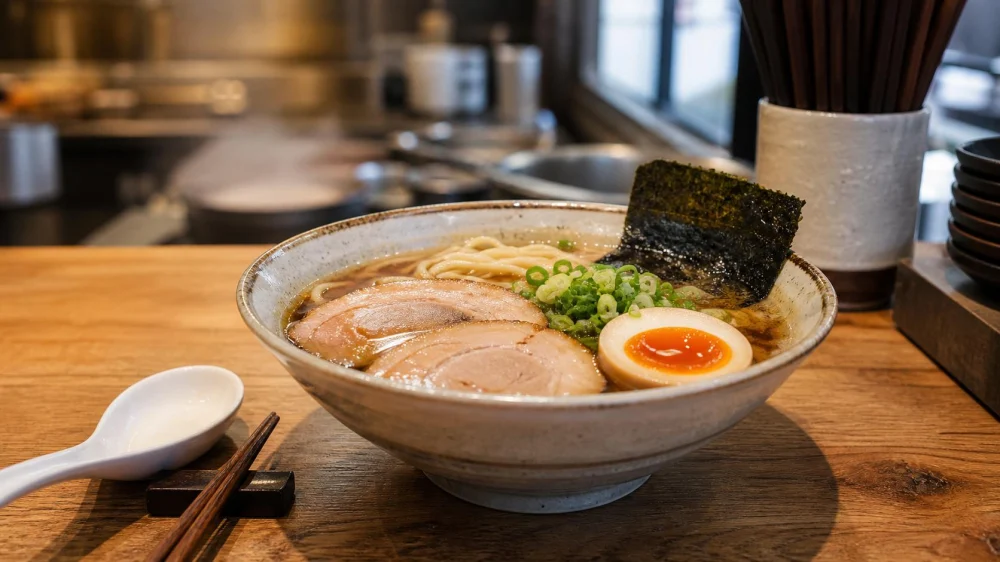
- Chashu: Braised or roasted sliced meat, commonly pork but sometimes chicken or another preparation.
- Ajitama: A seasoned egg, often with a soft or jammy yolk. Cooking level and marinade vary.
- Menma: Seasoned bamboo shoots with a tender-crisp texture.
- Nori: Dried seaweed that softens in the broth and adds marine aroma.
- Scallions: Fresh sharpness that can balance a rich soup.
- Corn and butter: Often associated with Hokkaido-inspired or miso preparations, adding sweetness and richness.
- Wood ear mushrooms: Thin pieces with a crisp, springy texture.
- Spiced ground meat or chili: Adds heat and richness but can cover delicate broth flavors.
Choose a standard bowl before adding several extras. It shows the restaurant’s intended balance and helps you learn which component you want more of next time.
A simple ordering process
- Pick the broth experience. Decide between lighter, richer, seafood-forward, vegetable-led, or spicy.
- Read the full description. Note the stock, tare, aromatic oil, protein, and included toppings.
- Choose noodle texture. Use the standard option if you are unsure.
- Set the heat level. Ask whether spice is mixed into the soup or served separately.
- Remove conflicts. Tell staff about allergens or restrictions before discussing preference-based omissions.
- Add selectively. Choose one extra topping only if it supports the flavor or texture you want.
- Order a side only if needed. Ramen can be filling; dumplings, rice, or fried items can make the meal much heavier.
Allergens and dietary needs
Ramen can contain wheat, soy, egg, sesame, fish, shellfish, pork, chicken, dairy, and other ingredients. Cross-contact may occur in broth pots, noodle equipment, fryers, or prep areas. A menu icon is a starting point, not a complete safety assessment.
If you have a food allergy, name the allergen clearly and ask staff to check the broth, tare, oil, noodles, toppings, and shared equipment. If the restaurant cannot confirm ingredients or prevent the level of cross-contact you need to avoid, choose a safer option.
Vegetarian diners should ask whether stock, seasoning, and aromatic oil contain meat or seafood. Vegan diners should also confirm noodles, egg, butter, and toppings. Gluten-free diners need to check both noodles and soy-based seasonings, as well as cross-contact. Personal medical advice should come from a qualified healthcare professional.
Eating and etiquette notes
Use chopsticks for noodles and solid toppings and the spoon for broth when provided. Lifting a manageable amount of noodles helps prevent splashing. Slurping is accepted in many Japanese ramen settings and can cool noodles, but it is not mandatory; eat comfortably and consider the norms of the restaurant you are visiting.
Ramen is generally best while hot and the noodles are at their intended texture. Taste the soup before adding chili oil, garlic, vinegar, or other table condiments. Add small amounts so you can follow how the bowl changes.
Finishing every drop of broth is optional. Rich or highly seasoned soup can be satisfying without being consumed completely. Follow your appetite and dietary needs.
Sources and evidence notes
This guide uses broad Japanese culinary practice and common restaurant terminology. Ramen evolved through many regional and modern styles, so no short category list describes every bowl. The restaurant’s current menu and staff are the appropriate sources for its recipe, portion, available customization, and allergen procedures.
Descriptions such as “light,” “rich,” and “spicy” are relative sensory judgments. They help compare styles but do not measure nutrition, sodium, or heat. Ask for current ingredient and nutrition information when the restaurant provides it.
Frequently asked questions
What is the easiest ramen for a first-time diner?
A house signature bowl at the standard noodle firmness is a useful starting point. Choose shoyu or a lighter chicken broth for a balanced flavor, or tonkotsu when you prefer a rich, creamy soup.
Is miso ramen the broth?
Miso usually describes the seasoning base. The stock beneath it may be pork, chicken, seafood, vegetable, or a blend.
Does vegetarian ramen mean vegan?
No. It may contain egg noodles, butter, dairy, or other animal-derived ingredients. Confirm every component with the restaurant.
Can ramen be gluten-free?
Some restaurants offer alternative noodles, but broth, soy-based seasoning, toppings, and shared equipment may still contain or contact gluten. Ask about the complete preparation.
What is tsukemen?
Tsukemen serves noodles separately from a concentrated dipping broth. Dip a small portion of noodles at a time rather than pouring all the broth over them unless the restaurant instructs otherwise.
Should I add toppings immediately?
Taste the bowl first. The standard toppings are usually selected for balance, and extra ingredients can change temperature, saltiness, or texture.
Conclusion and next steps
A ramen menu becomes easier when you read it in layers: stock, tare, oil, noodles, and toppings. Choose the broth body and seasoning first, use the restaurant’s standard noodle texture when uncertain, and add toppings selectively.
On your next visit, compare two or three menu descriptions, choose the bowl that matches your preferred richness and flavor, and ask one focused question about any ingredient that matters. That is usually enough to order with confidence while leaving room to explore another style later.


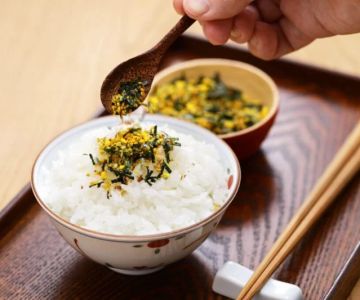
 Two Ten Jack4.0 (1150 reviews)
 Nagomi Restaurant4.0 (392 reviews)
 Juno Sushi Chicago4.0 (513 reviews)
 CUPERTINO FISH MARKET3.0 (5 reviews)
 ACRE4.0 (474 reviews)
 Kabuto Japanese Steakhouse and Sushi Bar4.0 (3238 reviews)
 The Complete Guide to Dining at Kazu Japanese Restaurant
 Why Locals Recommend Japanese Curry Restaurants
 What Is Japanese Milk Bread Shokupan and Why Is It So Soft and Fluffy
 An Insider’s Review of Best Japanese Restaurants Near Me | Top Picks for Sushi and More
 Why Locals Recommend Akasaka Sushi Korean Japanese Restaurant
 What Makes Suteishi Japanese Restaurant Stand Out Among Japanese Restaurants