
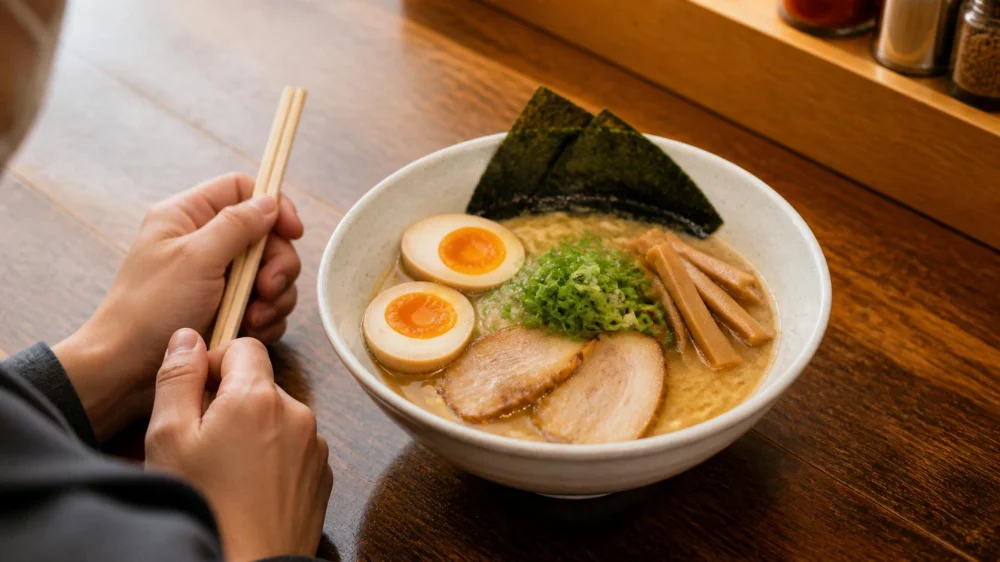
Ramen Ordering Guide: Broth, Noodles, and Toppings
On this page
Quick answer
Choose ramen in this order: broth body, seasoning style, noodle texture, then toppings. Ask how rich, salty, spicy, or seafood-forward the bowl is rather than assuming from its name. Confirm allergens and portion details with the restaurant, taste the broth before adding condiments, and choose a few toppings that support the bowl instead of masking it.
How the parts of a ramen bowl work together
Ramen is a composed noodle dish in which soup base, seasoning, aromatic oil, noodles, and toppings are designed to work as one bowl. Terms such as shoyu, shio, and miso often identify the seasoning approach, while tonkotsu describes a pork-bone broth style. Restaurant recipes vary, so the menu name alone does not reveal exact richness, ingredients, allergens, or heat.
This guide is for diners in the United States who want to read a ramen menu more confidently. It is not a claim that one style is more authentic or better, and it cannot replace the restaurant's current ingredient and allergy information.
Practical checklist
- Broth body: clear and light, rounded and creamy, or intensely concentrated.
- Seasoning: salt-forward shio, soy-seasoned shoyu, fermented miso, spicy tare, or a house blend.
- Noodle style: thin or thick, straight or wavy, soft or firm, and whether firmness can be requested.
- Core toppings: sliced meat, egg, bamboo shoots, seaweed, scallions, mushrooms, corn, greens, or a plant-based alternative.
- Aromatic oil and heat level, which can change the bowl even when the broth base is the same.
- Portion and extras: noodle refill, additional topping, rice side, or a smaller bowl where offered.
- Dietary details: meat or fish stock, shellfish, egg, wheat, soy, sesame, dairy, alcohol, and shared preparation.
Step-by-step plan
- Start with the experience you want. Choose lighter and cleaner, rich and coating, savory and fermented, spicy, or a dipping-style bowl before focusing on toppings.
- Read the broth and seasoning descriptions separately. A shoyu bowl can use chicken, pork, seafood, vegetables, or a blend, so ask when the base matters.
- Match noodles to texture preference. Thin noodles often feel quick and focused; thicker or wavy noodles can carry heavier soup, but each restaurant designs its own pairing.
- Keep the first topping choices purposeful. Egg adds richness, greens freshness, seaweed aroma, and extra meat weight; ordering everything can blur those contrasts.
- Confirm allergy or dietary needs before ordering. Ask about broth, tare, oil, noodles, toppings, garnishes, and shared cooking equipment rather than relying on a vegetarian-looking bowl.
- Taste the soup and noodles as served. Add chili, garlic, vinegar, sesame, or other table condiments in small amounts only when they are available and intended for that bowl.
- Eat noodles while their texture is at its best. If the portion is large, slow down on broth and toppings rather than waiting until the noodles become soft.
To remember what you liked, note the broth body, seasoning, noodle thickness and firmness, heat level, and one or two toppings. These details transfer better to another restaurant than saying only that a bowl was good or bad.
Limits and important notes
Names and recipes are not standardized across restaurants. A pale broth can still be rich or salty, a spicy-looking oil may be mild, and a plant-based topping set does not prove the broth is vegetarian. Nutrition, sodium, ingredients, and portion size cannot be judged reliably from appearance. Takeaway also changes noodle texture because noodles continue absorbing soup.
Tell staff about serious allergies before ordering and ask whether the kitchen can manage the risk; do not rely on removing a visible topping. If the restaurant cannot confirm ingredients or cross-contact controls, choose another item or venue. Follow personal medical dietary guidance where applicable.
Frequently asked questions
What is the easiest ramen style for a first visit?
A clearly described house shoyu or shio bowl is often easy to understand, but choose by the stated broth body and ingredients rather than a universal beginner label.
Does tonkotsu mean the ramen is spicy?
No. Tonkotsu refers to a pork-bone broth style. Heat usually comes from a spicy seasoning, oil, paste, or topping that may be optional.
Should I order extra-firm noodles?
Choose it if the restaurant offers firmness options and you enjoy a more resilient bite. The best setting depends on noodle type and how quickly you eat.
Can I take leftover ramen home?
Ask for noodles and soup to be packed separately when possible, refrigerate promptly under current food-safety guidance, and expect the reheated texture to differ.
Is it rude to leave broth?
No. Enjoy the balance you want and stop when satisfied. Customs vary, but finishing every drop is not required for respectful dining.
Sources and evidence
Use the restaurant's current menu and staff for recipe, ingredient, portion, and preparation details. General culinary practice explains how broth, tare, aroma oil, noodles, and toppings build a ramen bowl, but the kitchen's actual recipe is the reliable source for a specific order.
Conclusion and next steps
For your next ramen order, decide on broth body and seasoning before adding extras, then ask one focused question about ingredients or texture. Taste the original balance first and adjust gradually. A simple record of broth, noodles, and toppings will help you recognize preferences across different restaurants without treating menu labels as guarantees.


 Ginger Teriyaki II4.0 (245 reviews)
 Dashi4.0 (1934 reviews)
 Samurai Sushi4.0 (574 reviews)
 Rock N Roll Sushi4.0 (3265 reviews)
 Nori Sushi4.0 (404 reviews)
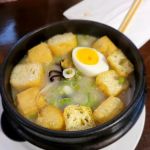 Eastern Kitchen & Sushi4.0 (297 reviews)
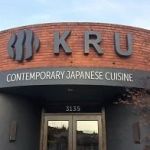 Why Kru Japanese Restaurant is a Must-Try Spot for Japanese Food Lovers
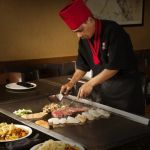 What Makes Japanese Restaurant Wasabi Stand Out Among Japanese Restaurants
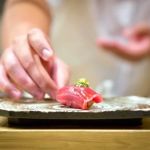 Exploring the Menu at Good Japanese Restaurants in NYC: Top Dishes to Try
 The History and Flavor Behind Asaka Japanese Restaurant | Japanese Restaurant
 A Foodie’s Experience at Hayashi Japanese Restaurant
 How to Make Japanese Restaurant Soup at Home: Step-by-Step Guide