
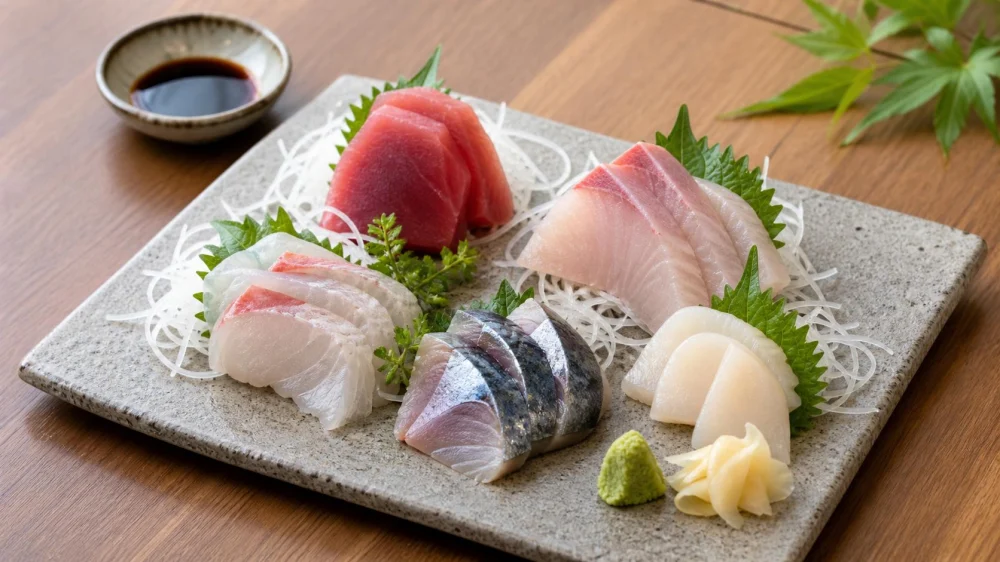
Sashimi Menu Guide: Cuts, Condiments, and Ordering
On this page
Quick answer
Sashimi is sliced raw seafood or, less commonly, another ingredient served without sushi rice. Choose by species, cut, richness, texture, portion, and the restaurant’s current selection. Ask staff about unfamiliar items, allergies, shared preparation, and serving size. Use soy sauce, wasabi, ginger, and garnishes sparingly so you can compare the ingredient itself.
What sashimi is and how menus describe it
Menus may list a familiar English name, a Japanese name, or both. Different parts of the same fish can vary in fat, firmness, and price, while preparation may include scoring, searing, curing, or a sauce. A platter may be chef-selected, so confirm the number of pieces and whether substitutions are possible before ordering.
This guide is for diners in the United States exploring sashimi at a Japanese restaurant. Raw or undercooked seafood can carry foodborne-illness risk and may not be suitable for everyone. People who are pregnant, immunocompromised, very young, older, or managing a relevant health condition should follow current professional guidance.
Practical checklist
- Ask whether the listing is a single species, a mixed platter, or a chef-selected assortment.
- Confirm the piece count, portion size, market-price notation, and whether rice is separate.
- Describe preferences using texture and richness rather than asking only for the most expensive item.
- Tell staff about allergies and ask about shared knives, boards, sauces, and garnishes.
- Ask whether an unfamiliar item is raw, cured, seared, marinated, or cooked.
- Order a range of mild and richer items if the table wants comparison.
- Keep raw seafood at safe temperature and do not save it for a long trip home.
Step-by-step plan
- Read the format first: individual orders, combination plates, and chef selections provide different control.
- Choose a starting point. Mild, lean fish often lets a first-time diner notice clean texture before richer cuts.
- Confirm accompaniments. Soy sauce, wasabi, citrus, salt, ginger, radish, and shiso may be intended for different bites.
- Order an appropriate amount alongside rice, soup, vegetables, or cooked dishes rather than treating every platter as a complete meal.
- Taste one piece before adding condiments, then make small adjustments.
- Pause if the smell, temperature, texture, or service condition concerns you and speak with staff.
For future visits, note the species, cut, preparation, and textures you enjoyed rather than relying on colour alone. Names and availability change by season and supplier, so a short preference note is more useful than expecting an identical platter.
Limits and important notes
Appearance alone cannot verify safety, freshness, origin, or handling. Diners cannot inspect the restaurant’s full food-safety system from the table. Online photos and broad labels such as premium or fresh are not substitutes for clear menu information and responsible preparation.
If you have a serious allergy, explain it before ordering and decide whether the restaurant can manage the risk. Seek prompt medical help for breathing difficulty, swelling, faintness, or another possible severe allergic reaction. Contact a healthcare professional for concerning illness after eating rather than attempting to identify the cause yourself.
Frequently asked questions
Is sashimi the same as sushi?
No. Sashimi is sliced seafood or another ingredient without sushi rice; sushi is defined by seasoned rice and may contain raw or cooked toppings.
What does market price mean?
The price can vary with the current product. Ask for today’s price and portion before ordering.
Should wasabi be mixed into soy sauce?
Customs and house guidance vary. A small amount directly on a bite or in soy sauce is a personal choice; avoid overpowering the fish.
Can sashimi be taken home?
Ask the restaurant, minimize time out of temperature control, and follow current food-safety guidance. When in doubt, do not keep it.
How should a group share sashimi?
Confirm piece counts, use clean serving utensils when provided, and keep allergy needs separate.
Sources and evidence
Use the restaurant’s current menu and staff for species, preparation, portion, allergen, and price details. For food-safety decisions, rely on current public-health guidance and advice from a qualified healthcare professional when personal risk factors apply. Do not infer safety from presentation alone.
Conclusion and next steps
Start with a small, clearly described selection and ask focused questions about format, preparation, and portion. Taste before seasoning, compare textures, and add cooked or plant-based dishes for balance. If allergy handling or raw-food risk cannot be clarified, choose a suitable cooked option.


 Kobé Japanese Steakhouse - New Tampa4.0 (5644 reviews)
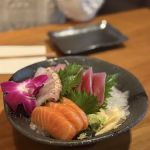 Blue Ribbon Sushi Bar & Grill4.0 (585 reviews)
 Yakiniku Shodai4.0 (115 reviews)
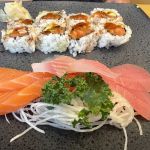 Flying Roll4.0 (403 reviews)
 My Sushi4.0 (182 reviews)
 Teriyaki R Us4.0 (70 reviews)
 A Foodie’s Experience at Akasaka Sushi Korean Japanese Restaurant: A Culinary Journey
 Is Benihana a Japanese Restaurant? Exploring Its Identity and Influence
 Exploring the Menu at Taki Japanese Restaurant Dunwoody
 Why Locals Recommend Mt. Fuji Japanese Restaurant for Authentic Dining
 Exploring the Menu at Aki Japanese Restaurant - A Culinary Journey
 What Makes Hanaoka Japanese Restaurant Stand Out Among Japanese Restaurants