Soba Noodles: Hot vs. Cold and How to Order Them
On this page
Quick answer
Choose cold soba when you want a firm noodle texture and a concentrated dipping sauce; choose hot soba when you want noodles served in a comforting seasoned broth. Check whether the menu item is a dipping plate, a cold topped dish, or a soup bowl, then choose toppings by richness. Ask about wheat, buckwheat, soy, fish, shellfish, and shared preparation when relevant.
Soba is a Japanese noodle associated with buckwheat flour, often blended with wheat flour for structure. It can be served chilled with dipping sauce, chilled with toppings, or in hot broth. The buckwheat percentage, noodle texture, sauce, and regional style vary by restaurant.
What soba is
Soba usually has a tan or gray-brown color and an earthy, nutty character. Noodles with a higher buckwheat proportion may taste more aromatic and feel more delicate, while wheat flour can add elasticity. A restaurant may make noodles in house or use a specialist supplier; neither detail alone guarantees a better bowl.
“100% buckwheat” may appear as juwari soba, while nihachi soba traditionally points to an eight-to-two buckwheat and wheat proportion. Recipes and menu translations are not always standardized in the United States, so ask the restaurant if composition matters for allergy, celiac disease, or preference.
Choose hot or cold soba
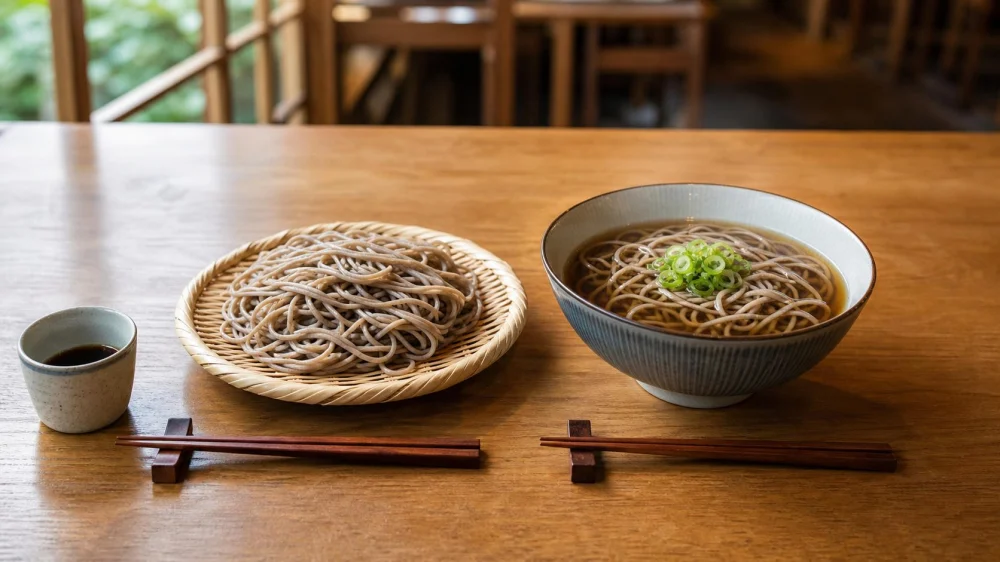
Cold soba is best for noticing noodle firmness, aroma, and the contrast between plain noodles and savory dipping sauce. It can feel refreshing and is often a good first choice when the diner wants to understand the noodle itself.
Hot soba is best for a warming, integrated bowl in which broth and toppings are part of every bite. The noodles may soften more quickly in hot liquid, so eat at a steady pace. Hot soba is not automatically spicier or heavier; that depends on the broth and garnish.
Choose by experience rather than weather alone. A cold platter with rich tempura can be more substantial than a simple hot bowl, while a hot soba topped with vegetables can remain light.
Read common menu styles
- Zaru soba or mori soba: chilled, drained noodles served on a tray or basket with dipping sauce. Zaru commonly includes shredded nori, though usage varies.
- Hiyashi soba: a broad label for chilled soba, often arranged with toppings and sauce rather than dipped one bite at a time.
- Kake soba: a straightforward hot bowl with seasoned broth and simple garnish.
- Tempura soba: paired with tempura, either alongside cold noodles or with hot broth. Ask how it is plated if crispness matters.
- Kitsune soba: commonly topped with seasoned fried tofu, which adds sweetness and a soft texture.
- Tanuki soba: often includes crisp tempura bits, but the name can describe different preparations by region.
- Oroshi soba: served with grated daikon, bringing freshness and a mild peppery edge.
- Tororo soba: topped with grated mountain yam for a slippery, creamy texture that some diners love and others may not expect.
Menu names are clues, not universal formulas. Read the description and ask whether the dish is hot, chilled, dipped, or topped before ordering.
How to eat cold soba
- Taste a strand or small bite plain if you want to notice the noodle’s aroma and texture.
- Pour the dipping sauce into the small cup if it is not already portioned.
- Add a modest amount of green onion, wasabi, or grated daikon, then adjust.
- Lift a manageable bundle and dip only enough to season it. The sauce may be concentrated.
- Bring the noodles to your mouth without soaking the entire tray or pouring all the sauce over it.
Some restaurants provide sobayu, the warm water used to cook the noodles. It may arrive in a small pot near the end. Diners can add it to the remaining dipping sauce to create a warm, milder drink. Ask if you are unsure; not every restaurant offers it.
How to eat hot soba
Begin by tasting the broth carefully because it may be very hot. Loosen noodles with chopsticks and take smaller portions so they do not overcook in the bowl. Alternate noodles, broth, and toppings instead of mixing aggressively.
Slurping noodles is accepted in many Japanese dining contexts and can help cool them, but it is optional. Eat in the way that is comfortable and considerate in the restaurant. Use the spoon if one is provided; lifting the bowl or drinking all the broth is a personal choice, not a requirement.
Ordering checklist
- Decide whether you want firm and refreshing or warm and brothy.
- Confirm whether the item is cold, hot, dipped, or topped.
- Choose a simple preparation to focus on noodles or a topping for a fuller meal.
- Ask whether tempura comes in the broth or on the side.
- Check ingredients and shared preparation for dietary needs.
- Order extra sauce only after tasting; dipping sauce can be salty and concentrated.
- Ask about sobayu if you order cold dipping soba and want to try it.
Dietary and allergy notes
Soba is not automatically gluten-free. Many noodles combine buckwheat and wheat, and a kitchen may use shared boiling water, strainers, counters, or fryers. Buckwheat itself can also cause serious allergic reactions in susceptible people.
Dipping sauce and broth commonly contain soy and may contain fish-based dashi, mirin, or other ingredients. Tempura can introduce wheat, egg, shellfish, and shared-fryer contact. Vegetarian or vegan diners should ask specifically about the broth and sauce rather than judging only by visible toppings.
People with a diagnosed food allergy or celiac disease should explain the condition clearly and decide based on the restaurant’s ingredients, procedures, and ability to prevent cross-contact. When staff cannot verify safety, choose another dish or restaurant.
Frequently asked questions
Is soba healthier than other noodles?
No single answer applies. Ingredients, buckwheat proportion, portion size, broth, sauce, toppings, and individual nutrition needs all matter. Choose the preparation that fits your dietary goals and ask a qualified professional for personal nutrition advice.
Why is cold soba sauce so strong?
It is designed to season noodles through brief dipping, not necessarily to be consumed undiluted like soup. Use a small amount, then adjust. Sobayu may be offered afterward to dilute the remaining sauce.
Can I pour the dipping sauce over zaru soba?
The usual method is to dip manageable bundles into the cup. Pouring sauce over the tray can make seasoning harder to control and may create a mess, though restaurant presentations vary.
What is a good first soba order?
Zaru soba makes the noodle easy to notice, while kake soba offers a simple hot-broth introduction. Add tempura on the side if you want contrast without covering the noodle flavor.
Are soba noodles always brown?
Color varies with flour, buckwheat percentage, milling, and recipe. Appearance alone cannot confirm ingredients or quality, so ask when the composition matters.
Sources and evidence notes
This guide reflects common Japanese dining terminology and service practice. Regional styles, restaurant recipes, and English menu translations vary. The restaurant’s current menu, staff, ingredient information, and allergy procedures are the most relevant sources for a specific order; diners with medical dietary needs should use individualized professional guidance.
Next steps
At your next Japanese restaurant, first decide between cold dipping noodles and hot broth. Read the full description, choose one topping that supports the experience you want, and ask one clear ingredient question if needed. A simple first order makes it easier to notice how the restaurant prepares its soba.
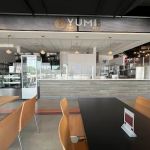 YUMI 優美 sushi•tea•sake4.0 (181 reviews)
 Sushi Zen4.0 (2160 reviews)
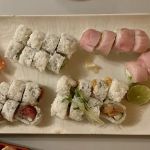 Maru Japanese Restaurant4.0 (558 reviews)
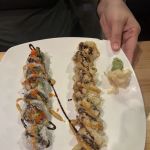 Yume Fusion Sushi & Grill4.0 (675 reviews)
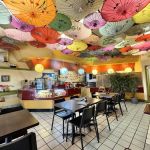 Maui Sushi & Teriyaki4.0 (368 reviews)
 Hibachi Ko0.0 (0 reviews)
 Why Locals Recommend a Japanese Restaurant in SF: Top Reasons You Should Visit
 Why Locals Recommend Ichiban Japanese Restaurant: Discover What Makes It Special
 Why Locals Recommend Goshi Japanese Restaurant in SLO
 The History and Flavor Behind Orchid Japanese Restaurant
 An Insider’s Review of Sushi Yoko Japanese Restaurant
 How to Sit on the Floor at a Japanese Restaurant: Etiquette & Comfort Tips