
Soba vs Udon: How to Choose at a Japanese Restaurant
On this page
Quick answer
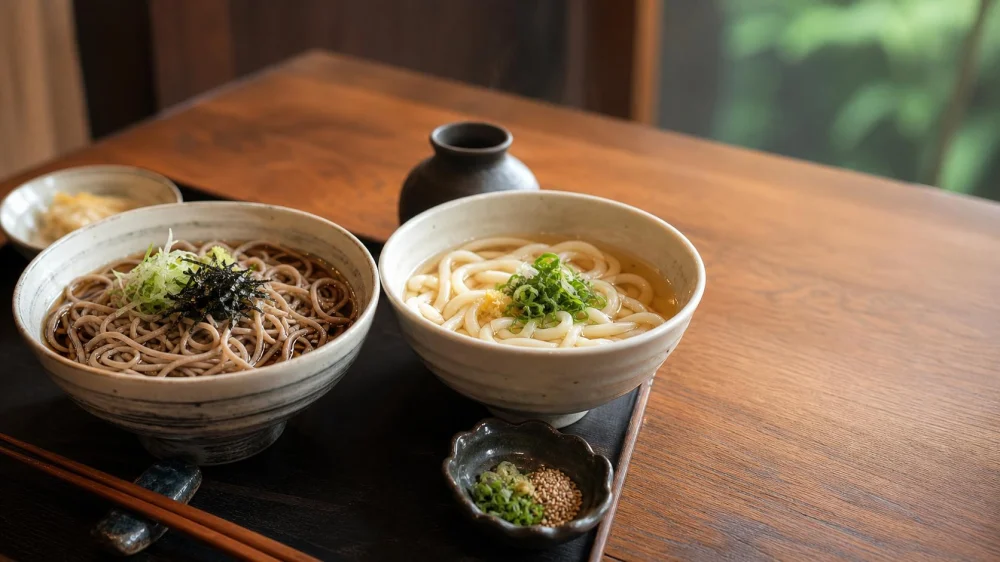
Soba noodles are usually thin, earthy, and often made with buckwheat, while udon noodles are thick, chewy, and wheat-based. Choose soba when you want a lighter, nutty noodle that works well hot or cold. Choose udon when you want a softer, heartier bowl with a comforting broth and bouncy texture.
What soba and udon are
Soba is a Japanese noodle commonly associated with buckwheat. Some soba contains wheat flour too, so diners with gluten concerns should ask the restaurant before ordering.
Udon is a thick Japanese wheat noodle known for its chewy texture. It is often served in a warm dashi-based broth, in curry udon, or chilled with dipping sauce depending on the restaurant and season.
Both can be simple or elaborate. The difference is less about which is better and more about the texture, flavor, and style you want from the meal.
Flavor and texture differences
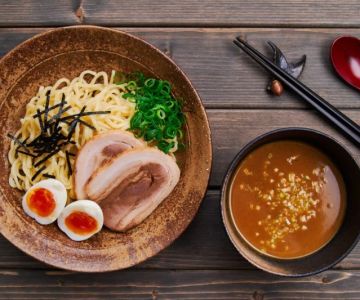
Soba has a more noticeable grain flavor, especially when the buckwheat content is higher. It can feel clean, slightly nutty, and delicate. Cold soba highlights the noodle itself because the dipping sauce stays separate.
Udon is milder and more about chew. The noodle absorbs broth and pairs well with toppings such as tempura, green onion, egg, tofu, beef, or curry. If you enjoy a filling noodle soup, udon is often the safer choice.
At a restaurant, freshness and preparation matter. Overcooked soba can lose its snap, while poorly handled udon can become heavy instead of pleasantly chewy.
Hot, cold, broth, and dipping styles
Both noodles can be served hot or cold. Hot soba and hot udon are comforting choices in cooler weather. Cold soba is refreshing and often served with a dipping sauce, grated daikon, scallions, wasabi, or nori.
Udon is especially popular in warm broth, but chilled udon can be excellent when the noodles have a firm, springy texture. Some restaurants also serve sauced or stir-fried udon styles.
If you are new to Japanese noodles, ask whether the dish is broth-based, dipping-style, chilled, spicy, or served with tempura. Those details matter more than the noodle name alone.
Which noodle fits your meal
Soba is best for diners who want a lighter dish, enjoy earthy grain flavor, or want to try a classic cold noodle format. It may not be ideal if you dislike buckwheat flavor or need a guaranteed gluten-free dish without confirming ingredients.
Udon is best for diners who want comfort, chew, and a fuller bowl. It may not be ideal if you want a delicate noodle or are avoiding wheat.
For a first visit to a Japanese restaurant, choose the version the restaurant seems proud of. A house specialty often tells you more than a generic comparison.
Ordering checklist
Before ordering, consider:
- Do you want thin and earthy or thick and chewy?
- Do you want hot broth, cold noodles, or dipping sauce?
- Are you adding tempura, egg, tofu, meat, vegetables, or extra toppings?
- Do you need to ask about wheat, buckwheat, soy, fish broth, or allergens?
- Is the restaurant known for handmade noodles or a specific regional style?
- Are you looking for a light lunch or a filling dinner?
Important notes
This article is general dining guidance for Japanese restaurants in the United States. Ingredients, broths, sauces, and allergen practices vary by restaurant. If you have allergies, celiac disease, pregnancy-related dietary restrictions, or other health concerns, ask the restaurant directly and seek professional guidance when needed.
Evidence notes: soba and udon are established Japanese noodle categories with regional and restaurant-level variations. Menu descriptions and staff guidance are the most reliable source for how a specific restaurant prepares them.
FAQ
Is soba gluten-free?
Not always. Some soba includes wheat flour, and cross-contact may occur. Ask the restaurant if gluten is a concern.
Is udon always served hot?
No. Udon is often served hot, but chilled udon and dipping-style udon are also common at some restaurants.
Which is better for a first-time diner?
Udon is often easier for first-timers because it is mild and comforting. Soba is a great choice if you want a more distinctive noodle flavor.
Can I order tempura with both?
Yes, many restaurants pair tempura with either soba or udon. The exact combinations depend on the menu.
Next steps
When comparing Japanese restaurants, look at whether the menu explains noodle style, broth, toppings, and allergen details clearly. If both soba and udon are available, ask which one the restaurant recommends for the season or house preparation.


 Hanabi Japanese Grill & Bar4.0 (643 reviews)
 Zou Japanese Steakhouse4.0 (523 reviews)
 Zen Asian Sushi Bar & Grill4.0 (1648 reviews)
 Maluken and Sushi Express4.0 (193 reviews)
 Tokyo Garden4.0 (1151 reviews)
 Ikkyu4.0 (28 reviews)
 Exploring the Menu at Japanese Restaurant Boston
 An Insider’s Review of Kiku Japanese Restaurant
 Top Dishes You Should Order at Yokohama Japanese Restaurant
 What Is O.E.C in a Japanese Restaurant Menu? Meaning and Origins Explained
 What Japanese Restaurants Exist in the USA – A Culinary Exploration
 Why Locals Recommend Fugakyu Japanese Restaurant | An Authentic Japanese Dining Experience