
Teishoku Guide: How to Navigate a Japanese Set Meal
On this page
Quick answer
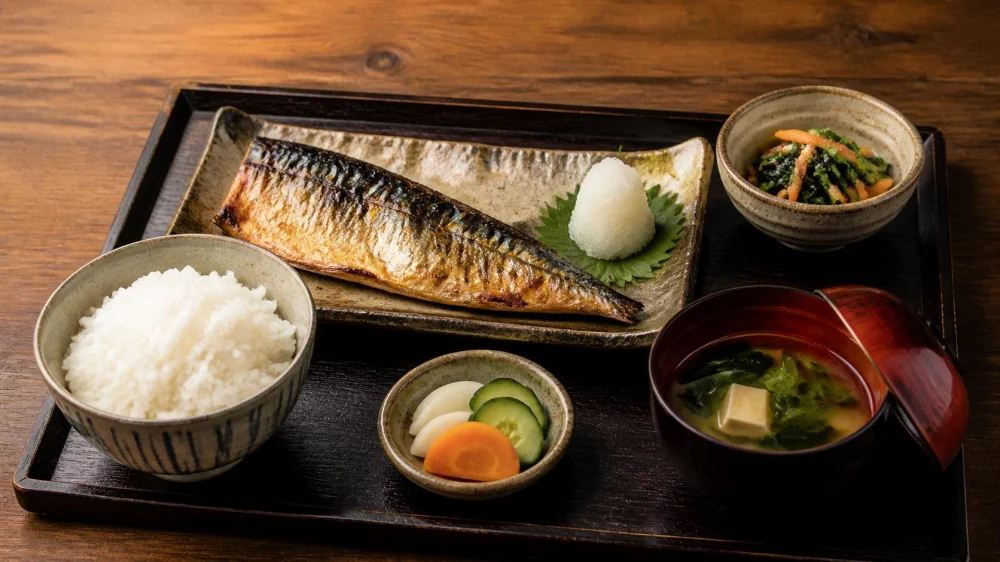
A teishoku is a Japanese set meal built around a main dish with rice, soup, and one or more small sides. Choose the main item first, then check portion size, cooking method, refills, and included condiments. Alternate bites instead of mixing everything together, and ask the restaurant about ingredients, substitutions, or dietary needs.
Why it matters
Teishoku means a set or fixed meal. In restaurants, it usually presents several coordinated components on one tray: a main dish, rice, soup, pickles, and vegetables or another small side. The format offers variety and an easy ordering structure, but the exact composition, serving order, and refill policy differ by restaurant.
This guide is for diners exploring Japanese food in the United States. It explains common menu patterns rather than a single traditional rule. A set meal is not automatically nutritionally balanced or suitable for every diet; ingredients, sodium, portions, preparation, and cross-contact depend on the restaurant.
Practical checklist
- Choose the main dish: grilled fish, fried cutlet, karaage, ginger pork, tofu, sashimi, or a restaurant-specific seasonal item.
- Check whether rice and soup are included, optional, refillable, or available in different sizes.
- Identify the small sides and pickles so you know which textures and seasonings the set already provides.
- Ask whether sauce arrives on the dish or separately if you prefer to control richness or seasoning.
- Confirm bones, shells, raw ingredients, or very hot serving vessels before eating.
- Ask about substitutions politely; fixed sets may have limited changes because components are prepared together.
- For allergies or strict diets, verify every component, garnish, broth, sauce, and shared cooking surface.
- Select a portion that leaves room to enjoy all components without assuming refills are included.
Step-by-step plan
- Read the main-dish descriptions first. Grilled items often emphasize the ingredient and char, fried items add crispness and richness, and simmered dishes may bring a softer texture and sauce. Choose based on appetite and the experience you want.
- Review the supporting dishes before adding extras. Rice provides a mild base, soup resets the palate, pickles bring acidity or salt, and small vegetables or tofu can add contrast. An additional appetizer may duplicate what the set already covers.
- Place the tray comfortably and notice hot bowls, lids, fish bones, skewers, or small sauce dishes. Ask staff when the purpose of a condiment is unclear rather than pouring it over every component.
- Alternate between the main dish, rice, soup, and sides. Keeping components mostly separate preserves their intended textures and lets you adjust the ratio from bite to bite.
- Use condiments in small amounts. Grated daikon, mustard, citrus, soy-based sauce, or dressing may be intended for one component rather than the entire tray.
- Pause halfway through and reassess appetite before requesting a rice or soup refill. Refill policies and serving sizes vary, and leaving unnecessary food is avoidable.
- At the end, return bowls and small dishes to a stable position on the tray. There is no need to imitate unfamiliar etiquette rigidly; considerate handling and following restaurant guidance matter most.
When comparing sets, note the main cooking method, included starch and soup, vegetable or pickle sides, sauce placement, portion options, refill terms, and any dietary question. This makes it easier to choose based on the whole tray rather than the main dish name alone.
Limits and warning signs
Teishoku is a format, not a fixed recipe or health claim. A fried main, salty soup, sweet sauce, large rice serving, or limited vegetables may not suit a particular eating plan. Conversely, photographs may not show the final portion or seasonal sides. Use the current menu and staff explanation for what is actually served.
Ask staff before eating when fish bones, shellfish, raw or undercooked items, alcohol-based seasoning, hot stoneware, or an allergen may be present. If a medically required diet cannot be confirmed across the main dish, soup, sauce, garnish, and shared equipment, do not rely on the set’s general name. Seek urgent care for a severe allergic reaction or choking emergency.
Frequently asked questions
Is teishoku served in a specific order?
Components often arrive together, and diners commonly alternate among them. Follow the restaurant’s presentation and your comfort; there is no need to finish one bowl before touching another.
Are rice and soup refills always free?
No. Some restaurants offer refills, some charge, and others serve a fixed portion. Check the menu or ask before requesting more.
Can I substitute a side dish?
Possibly, but fixed sets may limit substitutions. Ask before ordering and accept that seasonal or pre-portioned sides may not be changeable.
Is teishoku suitable for sharing?
It is designed as an individual set, though a group can order different sets and share separate appetizers. Ask for extra plates if the restaurant permits sharing.
Sources and evidence
This guide reflects broad Japanese set-meal practice and common restaurant terminology. The current menu, staff description, ingredient information, and restaurant policies are the reliable sources for a specific teishoku. No nutritional value, portion, price, refill rule, or dietary suitability is assumed for an unnamed restaurant.
Conclusion and next steps
Choose the main dish, scan the full set for duplicate flavors or missing contrasts, and confirm portion and dietary details. During the meal, alternate components and apply condiments selectively. On a later visit, compare a different cooking method or seasonal set; the teishoku format is useful precisely because it lets you explore several elements in one organized meal.

 Sushi Zen Japanese Bistro4.0 (1381 reviews)
 Juno Japanese Restaurant - Westport4.0 (236 reviews)
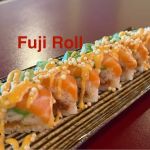 Tomo Sushi @Burien4.0 (258 reviews)
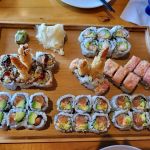 Sake Japanese4.0 (57 reviews)
 GuGu Asian Table4.0 (454 reviews)
 Kodori Restaurant Japanese & Korean4.0 (549 reviews)
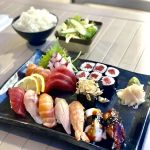 What Makes Waraji Japanese Restaurant Stand Out Among Japanese Restaurants
 An Insider’s Review of Ebisu Japanese Restaurant
 Signature Sushi and Ramen at Yuki Japanese Restaurant - A Culinary Delight
 What Makes a Japanese Restaurant SF Stand Out Among Japanese Restaurants
 What Sauce Do They Use at Japanese Restaurants? Authentic Flavors Explained
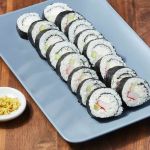 How Much in a Roll at a Japanese Restaurant? Portion Guide & Tips