
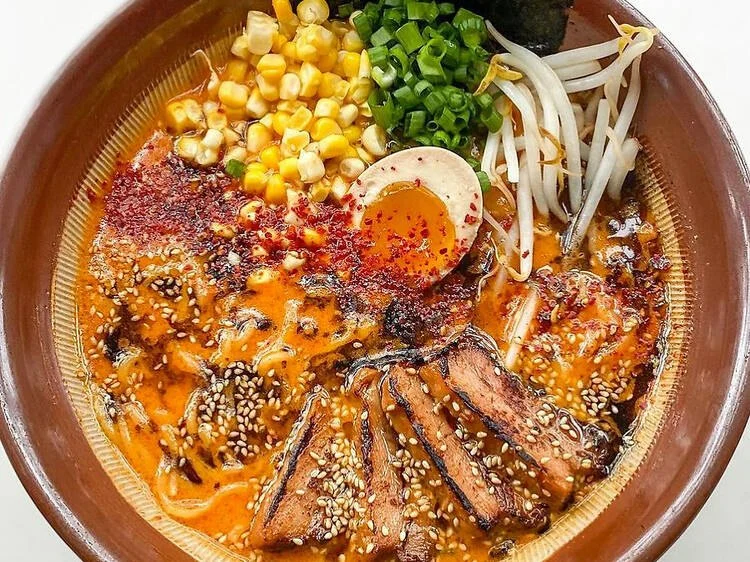
- Harvard-Japanese-food-scene - Why Boston became a ramen and donburi hotspot around campus
- Authentic-ramen-spots - Where students actually eat ramen and why it feels like Tokyo in Cambridge
- Donburi-culture-boston - Rice bowls, comfort food, and the rise of casual Japanese dining
- Student-food-stories - Real experiences from Harvard students and late-night cravings
- Choosing-best-japanese-restaurant - How to identify truly authentic Japanese restaurants in Boston
Boston’s Quiet Japanese Food Revolution Around Harvard Square
Boston has always had a strong food identity, but over the last decade something interesting has happened around Cambridge and Harvard Square: Japanese comfort food has quietly become a student obsession. It’s not just about sushi anymore. The real stars are steaming bowls of ramen, tender donburi rice bowls, and small izakaya-style plates meant for long study nights and colder New England winters.
Ask any student leaving Widener Library after midnight, and you’ll hear the same story—warm broth, quick service, and food that feels both affordable and deeply comforting. That combination has turned the area into a surprisingly competitive hub for Japanese dining.
Where Authentic Ramen Near Harvard Actually Feels Like Tokyo
When people search for Boston’s best Japanese restaurants, they often expect upscale sushi bars. But near Harvard, ramen is the real benchmark. A good bowl is defined not just by flavor, but by broth depth, noodle texture, and the balance of toppings.
Why ramen dominates student dining culture
Ramen works perfectly for the student lifestyle. It is fast, filling, and adaptable. One of the most talked-about experiences among Harvard students involves late-night study breaks turning into spontaneous ramen runs. A common pattern emerges: cold winter night, group study fatigue, and someone suggesting “let’s get ramen” within walking distance of campus.
What makes ramen feel authentic in Boston
Authenticity is not about decoration—it’s about execution. The best bowls near Harvard typically focus on:
Rich tonkotsu broths simmered for hours, shoyu-based soups with layered umami, and springy noodles that hold texture even after sitting in hot broth for a few minutes. Many students compare their experience to trips to Japan, especially when the broth is creamy, not overly salty, and clearly house-made.
This level of detail is why some spots are frequently mentioned in informal student guides and food blogs as essential stops for anyone exploring authentic Japanese food in Boston.
Donburi and the Rise of Comfort Bowls in Cambridge
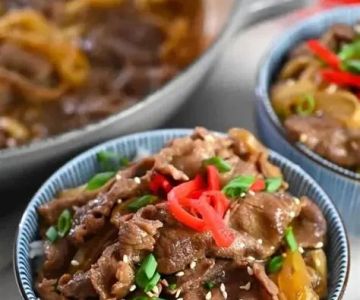
While ramen gets most of the attention, donburi has quietly become the second pillar of Japanese dining around Harvard. These rice bowls—topped with beef, chicken, pork cutlets, or tempura—offer something ramen doesn’t: simplicity.
Why donburi resonates with busy students
Donburi meals are structured, predictable, and fast. For students balancing lectures, labs, and part-time jobs, this matters. The combination of protein, rice, and sauce creates a complete meal without overwhelming complexity.
A Harvard sophomore once described donburi as “the food you eat when you don’t want to think, but still want something real.” That sentiment captures why these bowls are becoming increasingly popular across Cambridge.
Flavor profiles that define great donburi
The best bowls rely on balance. Sweet soy-based sauces, lightly fried proteins, and perfectly steamed rice are essential. Even small variations—like a runny egg or pickled vegetables—can completely change the experience.
Restaurants that master this balance often build loyal student followings, with word-of-mouth driving most of their popularity rather than advertising.
Real Student Experiences That Shape Boston’s Japanese Food Scene
One of the most interesting aspects of Boston’s Japanese restaurant culture is how strongly it is shaped by student life. Unlike tourist-driven food scenes, Cambridge’s Japanese dining identity is built on repetition—students returning to the same places weekly, sometimes even daily.
A widely shared story among students involves winter finals week. A group of engineering students reportedly spent three consecutive nights at the same ramen shop, ordering identical bowls each time. Not because of convenience alone, but because the consistency helped them feel grounded during high stress periods.
These stories are not rare. They reflect how food becomes emotional support, especially in demanding academic environments.
Why emotional connection matters in food choice
When restaurants consistently deliver comfort, familiarity, and warmth, they become more than businesses—they become part of a routine. That is why certain Japanese restaurants near Harvard maintain strong loyalty even when new competitors open nearby.
If you explore curated listings on Japanese Restaurant, you can often see how these emotionally driven preferences shape recommendations, especially for ramen and donburi lovers.
How to Identify Truly Authentic Japanese Restaurants in Boston
Not every restaurant labeled “Japanese” offers an authentic experience. In Boston’s competitive food environment, it’s important to recognize the subtle differences that define quality.
Key signs of authenticity
The first sign is broth quality in ramen. If it tastes overly salty or lacks depth, it likely hasn’t been prepared traditionally. The second is rice texture in donburi—it should be slightly sticky but never mushy.
Another strong indicator is menu simplicity. Authentic Japanese restaurants tend to focus on fewer dishes done well, rather than overly complex fusion menus.
Why Harvard students are surprisingly good food critics
Students at Harvard and surrounding universities often become informal reviewers. Their exposure to international cuisines and high dining standards makes them sensitive to authenticity. Over time, their collective feedback shapes which restaurants survive and which fade away.
This peer-driven evaluation system is one of the reasons Boston’s Japanese food scene remains consistently high quality.
The Emotional Side of Japanese Dining in Boston Winters
Boston winters are harsh. Snow, wind, and long nights create a strong demand for warm, satisfying meals. Japanese cuisine fits this environment perfectly, especially ramen and donburi.
There is a psychological comfort in holding a hot bowl after walking through freezing streets near Harvard Square. It is not just food—it becomes a moment of pause, a break from academic pressure, and sometimes even a social ritual among friends.
Many students say that their favorite Japanese restaurant is not necessarily the “best rated,” but the one they associate most with memories—late-night conversations, exam relief dinners, or spontaneous weekend outings.
Why Boston’s Japanese Food Scene Keeps Growing
The growth of Japanese restaurants in Boston is not accidental. It is driven by cultural curiosity, student diversity, and increasing appreciation for authentic international cuisine. Harvard and nearby universities act as cultural amplifiers, bringing in students who later carry these food habits into their professional lives.
As demand increases, restaurants continue refining their craft, leading to an overall improvement in quality across Cambridge and Boston.
For anyone exploring authentic dining experiences, browsing curated options on Japanese Restaurant can be a helpful starting point to discover ramen shops, donburi specialists, and hidden izakaya gems around the city.

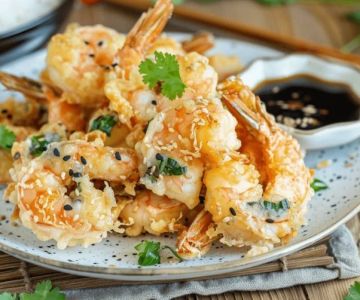
 Izakaya Sozai4.0 (617 reviews)
 KOI ASIAN BISTRO & Sushi4.0 (252 reviews)
 Ginzaya4.0 (215 reviews)
 Takara Ayce4.0 (69 reviews)
 RAKIRAKI Ramen & Tsukemen4.0 (89 reviews)
 Bento House4.0 (502 reviews)
 Why Locals Recommend Good Japanese Restaurants in NYC
 The History and Flavor Behind Takara Japanese Restaurant: A Culinary Journey
 An Insider’s Review of Oishi Japanese Restaurant
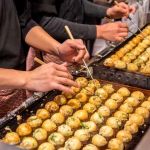 Where to Buy a Takoyaki Pan in the US: Cast Iron vs Electric Guide
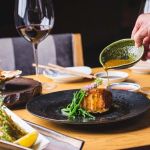 Why Locals Recommend Japanese Sushi Restaurant for Authentic Dining
 How to Flavor Carrots Like a Japanese Restaurant – Easy Home Recipe