
Japanese Breakfast at a Restaurant: What to Expect
On this page
Quick answer
A Japanese-style breakfast often centers on steamed rice and soup with several small dishes, such as grilled fish, rolled egg, tofu, vegetables, seaweed, or pickles. Expect savory flavors rather than a sweet entrée. Choose the main protein first, then ask about fish bones, fermented items, soup stock, allergens, and available substitutions.
This guide is for diners visiting Japanese restaurants, hotels, or cafés in the United States. Menus vary widely and may combine traditional, regional, modern, and Western-influenced breakfast foods.
Understand the meal structure
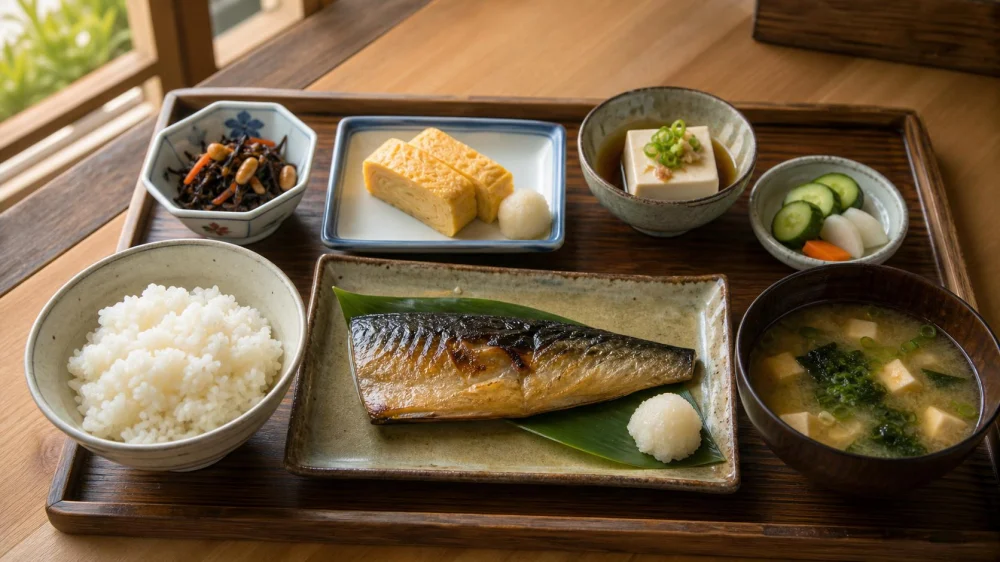
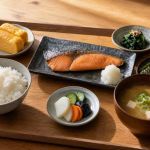
A Japanese breakfast is often served as a composed set rather than a single large dish. Rice provides a neutral center, soup adds warmth, and several small items contribute saltiness, protein, acidity, vegetables, and texture.
You may encounter the phrase ichiju-sansai, commonly described as one soup and three dishes alongside rice and pickles. It is a useful way to understand balance, but not every restaurant breakfast follows that exact count. A simple set may include rice, miso soup, grilled fish, and pickles; a larger set might add egg, tofu, vegetables, seaweed, or fermented soybeans.
The dishes are meant to work together. A salty bite of fish or pickle is balanced by plain rice, while soup and small vegetables vary the temperature and texture.
Recognize common breakfast dishes
- Gohan: Steamed Japanese short-grain rice, usually plain and served in a bowl.
- Miso shiru: Miso soup that may contain tofu, seaweed, vegetables, shellfish, or fish-based stock depending on the kitchen.
- Yakizakana: Grilled fish, often salted. Species and cut vary, and pin bones or fine bones may remain.
- Tamagoyaki: Rolled omelet that can be gently sweet, savory, or seasoned with stock.
- Natto: Fermented soybeans with a strong aroma and sticky texture, commonly mixed with condiments and eaten with rice.
- Tofu: Served chilled or warm with simple garnishes and seasoning.
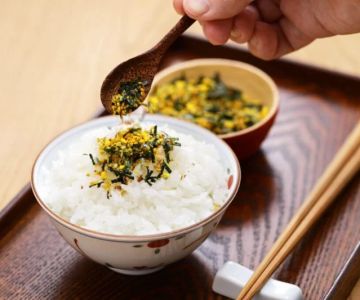
- Nori: Dried seaweed sheets used to pick up or wrap small portions of rice.
- Tsukemono: Pickled vegetables that provide acidity, saltiness, or crunch.
- Kobachi: A small side dish, which might contain cooked greens, seaweed, beans, root vegetables, or another seasonal item.
Some restaurants also offer toast, coffee, sandwiches, pancakes, or a combined Japanese-and-Western buffet. “Japanese breakfast” describes a family of meal patterns, not a single fixed menu.
Choose a set that fits your taste
Start with the main dish and the intensity you enjoy:
- Best for a savory first experience: Grilled fish with rice and soup, provided you are comfortable checking for bones.
- Best for a milder set: Rolled egg or tofu with rice, soup, and vegetables.
- Best for fermented flavors: Natto with rice, but choose it deliberately because the aroma and sticky texture are distinctive.
- Best for variety: A set with several kobachi, or a buffet where you can take small portions.
- Not ideal for a sweet-breakfast expectation: A traditional savory set, unless the menu also offers fruit, sweet egg, or Western-style items.
Ask whether refills of rice or soup are included before ordering more. Portions, refill policies, and substitution rules differ among restaurants.
How to eat the meal comfortably
- Begin wherever you like; alternating rice, soup, and side dishes creates balance.
- Lift the rice or soup bowl toward you if comfortable, rather than leaning far over the tray.
- For soup, sip from the bowl and use chopsticks for solid ingredients when that is practical.
- Break grilled fish into small pieces and look carefully for bones before eating.
- Use nori to pick up a small portion of rice, keeping the piece manageable.
- Mix natto in its container if desired, then place small portions over rice.
- Eat pickles and strongly seasoned sides in small bites with rice.
You do not need a rigid sequence. The goal is to enjoy the contrast among plain rice, warm soup, the main dish, and small sides without rushing.
Restaurant ordering checklist
Before ordering, check:
- What main dish comes with the set and whether it is served whole, as a fillet, or with bones.
- Whether the soup stock contains fish, shellfish, meat, or other ingredients you avoid.
- Whether egg dishes contain dashi, soy sauce, sugar, dairy, or another seasoning.
- Whether natto, tofu, miso, and soy sauce create a soy or wheat concern.
- Which pickles and small dishes are included and whether substitutions are allowed.
- Whether the menu is available only during specific morning hours.
- Whether rice, soup, tea, or coffee refills cost extra.
If you have a serious allergy, name the allergen and ask about ingredients and cross-contact. A set meal involves several small dishes, so it can have more hidden components than its short menu description suggests.
Limitations and important notes
Restaurant recipes and service styles vary. Miso soup is not automatically vegetarian, grilled fish may contain bones, tamagoyaki may contain stock, and vegetable sides may use fish-based seasoning. A menu label cannot answer every dietary question.
People who are pregnant, immunocompromised, limiting sodium, or managing allergies or another health condition should follow individual professional guidance and ask the restaurant about raw or undercooked ingredients, fermentation, sodium, and cross-contact.
If staff cannot confirm a critical ingredient or preparation process, choose another dish when exposure could cause serious harm.
Frequently asked questions
Is a Japanese breakfast always served with fish?
No. Fish is common but not required. Egg, tofu, natto, vegetables, or modern café dishes may be offered as the main component.
Is miso soup vegetarian?
Not necessarily. The stock may contain fish or other animal-derived ingredients even when the visible solids are tofu and seaweed. Ask about the soup base.
How do I handle bones in grilled fish?
Separate a small piece with chopsticks or another provided utensil, inspect it, and remove visible bones to the designated area of the plate. Eat slowly because fine bones may remain.
Do I pour soy sauce over the rice?
Plain rice is generally eaten with the seasoned dishes rather than soaked in soy sauce. Use provided condiments sparingly and for the item they accompany.
What if I do not like natto?
Ask whether it can be omitted or replaced. Its fermented aroma and sticky texture are distinctive, so it is reasonable to try a small portion or choose another protein.
Sources and evidence notes
This overview reflects widely recognized Japanese meal patterns and culinary terms: rice and soup as the base of a composed meal, small side dishes, grilled fish, rolled egg, tofu, natto, nori, and pickles. Regional traditions, household habits, and restaurant menus produce many valid variations.
Conclusion and next steps
Choose a breakfast set by its main dish, then confirm the soup, sides, fish bones, fermented foods, and allergens. Alternate small bites with rice and soup, and let the set's balance guide the meal. For a first visit, a mild egg or grilled-fish set offers a clear introduction to the savory breakfast format.

 Akafuji4.0 (120 reviews)
 Buko Restaurant4.0 (191 reviews)
 Mizu Sushi4.0 (416 reviews)
 Masa Hibachi Sushi & Bar4.0 (984 reviews)
 Blue Sushi Sake Grill4.0 (131 reviews)
 Sakura Hibachi Sushi4.0 (855 reviews)
 An Insider’s Review of Sasa Japanese Restaurant for Food Lovers
 Exploring the Menu at Japanese Restaurant Atlanta for Authentic and Modern Flavors
 Japanese Breakfast Guide: What to Order and Expect
 Best Japanese Restaurants Near Bashettihalli Bangalore
 Exploring the Menu at Ami Japanese Restaurant Westwood
 A Comprehensive Guide to a Japanese Restaurant Menu