
Japanese Curry Guide: Styles, Toppings, and How to Order
On this page
- Quick answer
- What Japanese curry is
- Common restaurant styles
- Choose a protein or topping
- Customize heat, rice, and sauce
- A step-by-step ordering checklist
- Allergies and dietary needs
- How to evaluate the meal
- Limitations and important notes
- Frequently asked questions
- Sources and evidence notes
- Conclusion and next steps
Quick answer
At a Japanese curry restaurant, first choose the format—curry rice, katsu curry, curry udon, or soup curry—then select a protein, rice portion, heat level, and extras. Japanese curry rice is usually thick, savory, gently sweet, and served beside short-grain rice; it is different from many South Asian and Southeast Asian curries. Ask the restaurant directly about wheat, dairy, soy, meat stock, and cross-contact.
Japanese curry rice, or kare raisu, is a Japanese dish of cooked rice served with a thick curry-flavored sauce, commonly containing onions and other vegetables with meat or another topping.
What Japanese curry is
The familiar curry-rice style is often built from a cooked roux that thickens a spiced sauce. Its flavor can combine savory stock, browned onion, warm spice, sweetness, and mild heat. Recipes vary widely, so “Japanese curry” describes a family of dishes rather than one fixed formula.
Japan's Ministry of Agriculture, Forestry and Fisheries describes curry rice as a popular home-style dish and documents a Yokosuka regional version with meat, carrots, onions, potatoes, curry powder, flour, and rice. A restaurant recipe may use different ingredients and should not be assumed to match that example.
Common restaurant styles
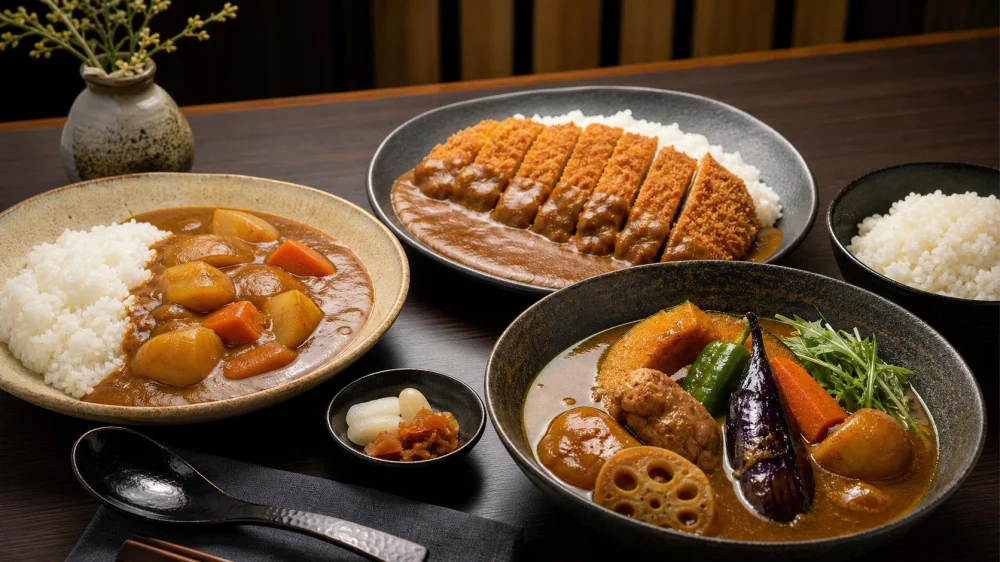
- Curry rice: thick sauce with rice, often with vegetables or meat cooked into the sauce. Best for a classic first order.
- Katsu curry: curry rice topped with a breaded, fried cutlet, commonly pork or chicken. Best for crunch and a larger meal; not ideal when avoiding fried food or breadcrumbs.
- Curry udon: thick wheat noodles in a curry-flavored broth or sauce. Choose it for a noodle-centered meal and expect splashes.
- Soup curry: a thinner, aromatic curry associated with Hokkaido, often presenting vegetables and meat in larger pieces with rice on the side. Choose it when you prefer a broth-like format.
- Dry or keema-style curry: a reduced minced-meat preparation with less free sauce. Availability and naming vary.
- Baked curry or curry gratin: rice and curry baked with cheese or another topping. It is richer and may contain several common allergens.
Menus in the United States may combine Japanese formats with local ingredients. Read the description rather than judging authenticity from one topping.
Choose a protein or topping
A plain vegetable curry lets the sauce lead, but “vegetable” does not necessarily mean vegetarian. Common additions include pork or chicken katsu, beef, chicken, shrimp, croquette, hamburger steak, egg, cheese, tofu, or seasonal vegetables.
Choose katsu when crisp texture is the priority, but ask whether the cutlet is served sliced and whether sauce is poured over it; sauce softens the crust. Choose braised meat for tenderness, grilled vegetables for contrast, or an egg for richness. Adding several fried toppings can overwhelm the sauce and make portion size difficult to judge.
Customize heat, rice, and sauce
Heat scales are restaurant-specific. A “medium” at one shop may not match another, and Japanese curry's brown color does not reveal its chile intensity. First-time diners should ask how the scale works and choose a moderate level unless they know the restaurant.
- Rice portion: choose a smaller portion when adding a large cutlet; increase it only if the sauce ratio remains suitable.
- Sauce amount: extra sauce can help with a large rice portion, but it may carry an added charge.
- Pickles: fukujinzuke or rakkyo may provide sweet, salty, or tangy contrast. Ingredients vary.
- Cheese or egg: these can soften perceived heat but also change richness and allergen exposure.
- Vegetables: roasted or fried vegetables add texture; vegetables simmered in sauce become softer and sweeter.
A step-by-step ordering checklist
- Choose curry rice, katsu curry, curry udon, soup curry, or another listed format.
- Confirm the base sauce and main protein.
- Select rice or noodle portion.
- Ask how the restaurant defines heat levels.
- Add one topping that supplies a useful contrast rather than duplicating the base.
- Confirm pickles, garnish, and sauce placement if those details matter.
- Ask allergen and dietary questions before ordering, not after the plate arrives.
A practical first order is standard curry rice at a moderate heat with one protein or vegetable topping. This gives you a clear sense of the restaurant's sauce before you build a more elaborate combination.
Allergies and dietary needs
Japanese curry roux commonly may contain wheat, and recipes may include dairy, soy, fruit, meat or seafood stock, or other ingredients. Katsu breading usually contains wheat and may involve egg; fryers can create cross-contact. Curry udon contains wheat noodles unless the restaurant explicitly offers another preparation.
Do not infer that a dish is vegetarian, vegan, gluten-free, halal, or free of a specific allergen from its visible toppings. Ask about the sauce base, roux, stock, breading, garnish, shared fryer, utensils, and preparation area. When an allergy is severe, explain that clearly and decide based on the restaurant's ability to answer and prevent cross-contact.
How to evaluate the meal
- The sauce should taste integrated rather than like raw spice powder.
- Rice should hold its shape and support the sauce without becoming mushy.
- A fried cutlet should arrive crisp, properly cooked, and not excessively oily.
- Vegetables should suit the style: tender in curry rice or distinct in soup curry.
- Heat should support aroma and savoriness rather than erase them.
- The rice-to-sauce ratio should allow both components to remain noticeable.
These are evaluation criteria, not a universal ranking. Some shops intentionally emphasize sweetness, dark roasted notes, intense heat, or a thinner sauce.
Limitations and important notes
Dish names, ingredients, spice scales, portion sizes, and preparation differ across restaurants in the United States and Japan. This guide cannot confirm a particular menu, price, availability, authenticity claim, or allergen procedure. Contact the restaurant directly for current details.
Food-safety concerns such as undercooked meat or a serious allergic reaction require prompt action. For symptoms of anaphylaxis, use prescribed emergency medication as directed and seek emergency help.
Frequently asked questions
Is Japanese curry very spicy?
Often it is milder and sweeter than diners expect, but restaurants may offer very hot levels. Ask about the shop's scale rather than relying on the word “medium.”
What is the difference between katsu curry and curry rice?
Katsu curry is curry rice served with a breaded fried cutlet. Curry rice is the broader dish and may have meat or vegetables in the sauce or another topping.
Is Japanese curry gluten-free?
Not automatically. Roux often uses wheat flour, and breaded toppings or shared equipment add further risk. Only rely on a restaurant's specific ingredient and cross-contact information.
How do you eat soup curry?
Common approaches include dipping spoonfuls of rice into the soup or adding small amounts of rice to the spoon. Follow the restaurant's setup and eat large ingredients in manageable pieces.
Which style is best for a first visit?
Classic curry rice with one topping and moderate heat is the clearest introduction. Choose soup curry instead if you prefer broth and distinct vegetables.
Sources and evidence notes
- Japan Ministry of Agriculture, Forestry and Fisheries: Yokosuka Navy Curry documents one regional curry-rice tradition and its typical ingredients.
- Japan National Tourism Organization: A Taste of Hokkaido describes Hokkaido soup curry as a thinner style served with rice and substantial ingredients.
Restaurant practices and recipes remain individual; these sources provide cultural context rather than rules every kitchen must follow.
Conclusion and next steps
Start by choosing a format, then match one protein or vegetable topping with an appropriate rice portion and heat level. Ask direct questions about the sauce base and allergens. A simple first order makes it easier to understand the restaurant's style—and gives you a useful baseline for trying katsu, soup curry, or more adventurous toppings next time.


 SAPPORO JAPANESE RESTAURANT4.0 (353 reviews)
 Hummingbird Sushi4.0 (110 reviews)
 Sushi Ren4.0 (411 reviews)
 Fuji Hibachi Sushi & Lava Bar4.0 (1655 reviews)
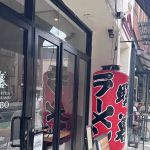 Ramen DANBO West Village4.0 (513 reviews)
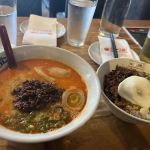 Itto Ramen & Japanese Tapas4.0 (1329 reviews)
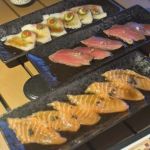 What Makes Ami Japanese Restaurant Stand Out Among Japanese Restaurants
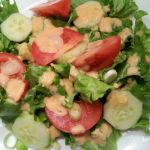 What Is the Dressing at Japanese Restaurants? Discover the Flavor Behind It
 An Insider’s Review of Sake Japanese Restaurant: Authentic Dining Experience in the Heart of America
 Why Locals Recommend Japanese Restaurant in Las Vegas – Top Japanese Food Spot
 What to Eat at a Japanese Restaurant on Whole30 – Best Compliant Choices
 Understanding the Operations of Japanese Restaurants