
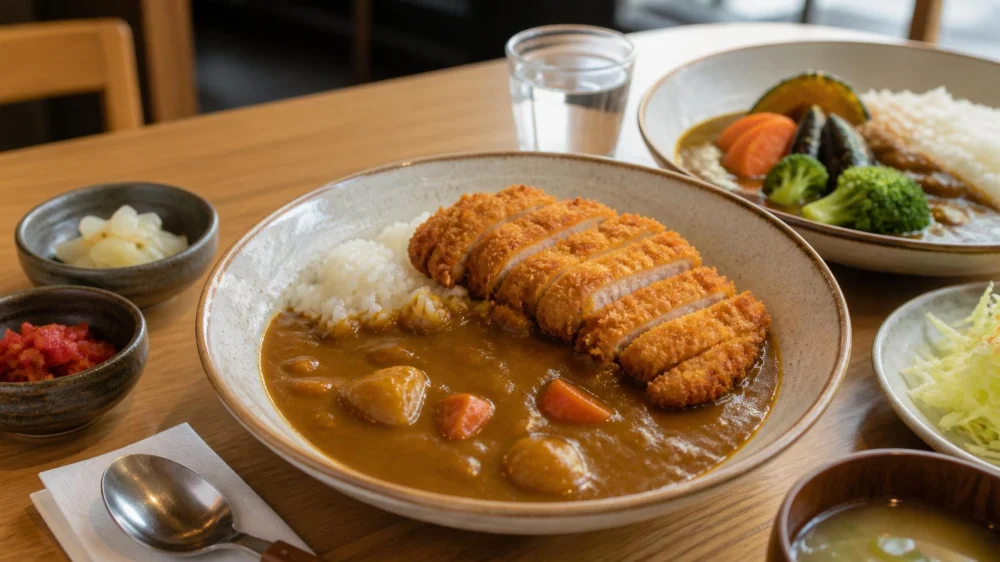
Japanese Curry Guide: Styles, Toppings, and Ordering
On this page
Quick answer
To order Japanese curry, choose the base first—rice, noodles, or another house format—then select a sauce style, portion, spice level, and topping. Katsu adds crisp richness, vegetables add texture and sweetness, and pickles add contrast. Ask how the restaurant defines heat and what the sauce contains, because recipes and scales vary widely.
Japanese curry, often called karē, is a seasoned dish commonly served as a thick, smooth sauce with rice. Compared with many curries from other cuisines, it is often described as mellow, savory, gently sweet, and gravy-like, but there is no single recipe or fixed heat level.
What Japanese curry is
The sauce may contain cooked vegetables, fruit or other sweet elements, stock, spices, and a thickener. Some ingredients melt into the sauce; others remain in pieces. Restaurants may make a beef, pork, chicken, seafood, or vegetable-focused base and may use ingredients that are not obvious from the menu name.
Expect the sauce to coat rice rather than run like broth. Flavor can range from mild and rounded to dark, roasted, peppery, or sharply spicy. “Authentic” is not one flavor profile; regional influence, restaurant specialty, and chef preference all matter.
Choose a format
Curry rice
Karē raisu pairs curry sauce with steamed rice, usually on the same plate or in a wide bowl. It is the most direct choice when you want to compare sauce, rice, and toppings.
Katsu curry
A breaded cutlet adds crunch and richness. Pork is common, but chicken and other versions appear. Ask which protein is used and whether sauce is poured over the cutlet or served beside it if crispness matters to you.
Curry udon
Curry udon combines thick noodles with a looser curry broth. It is warming and slurpable, but the flavor, texture, and eating experience differ from curry rice. The broth may contain a soup stock even when visible toppings are vegetarian.
Baked or specialty curry
Some restaurants offer curry gratin, baked rice, omelet-topped rice, soup curry, or regional interpretations. Read the description for cheese, egg, broth, and protein rather than assuming the standard plate.
Pick toppings and sides
- Katsu: best for a substantial meal with crisp-soft contrast.
- Fried shrimp or croquette: adds crunch; confirm filling and shellfish handling.
- Egg: may be fried, soft-cooked, or folded as an omelet and can soften the spice impression.
- Cheese: adds salt and richness but can mute sharper spice notes.
- Vegetables: roasted or fried vegetables add color, sweetness, and varied texture.
- Pickles: commonly provide acidity, crunch, or sweetness between bites.
One or two toppings usually make the choice easier to understand than a crowded combination. Start with the restaurant’s signature pairing when you are unsure.
Order step by step
- Choose the format. Decide between rice, noodles, or a house specialty.
- Identify the sauce base. Ask what protein, stock, or major flavoring defines it.
- Select the portion. Rice, sauce, and topping sizes may be adjusted separately.
- Pick the heat. Ask what the scale means; one restaurant’s medium may be another’s hot.
- Add texture. Choose a cutlet, vegetable, egg, or other topping that contrasts with the sauce.
- Keep a side for contrast. Pickles or cabbage can refresh the palate.
If this is your first visit, choose a moderate spice level unless staff say the scale is gentle. You can learn more from the sauce when heat does not overwhelm it.
Dietary questions
Japanese curry sauce can contain allergens or animal-derived ingredients that are not visible. Possible concerns include wheat in thickening or seasoning, dairy, soy, egg, meat or fish stock, shellfish cross-contact, and shared frying oil. Recipes vary, so a vegetable topping does not prove the sauce is vegetarian or allergen-free.
- State allergies clearly before ordering and ask about sauce, stock, coating, and fryer.
- Distinguish a medical restriction from a preference.
- Do not rely on color, menu shorthand, or removal of one topping.
- Choose another dish if staff cannot verify a serious safety need.
Important notes
This guide describes common menu patterns, not a universal recipe. Restaurants in Japan and the United States adapt curry to local ingredients and house styles. Current ingredients, portions, prices, heat scales, and preparation methods must be confirmed with the restaurant.
Evidence note: Flavor descriptions are broad culinary guidance. The article does not verify a restaurant’s allergy controls, nutrition, sourcing, or authenticity. People with medical dietary needs should follow professional advice and restaurant-specific information.
Frequently asked questions
Is Japanese curry very spicy?
Often it is milder than diners expect, but heat varies. Ask how the restaurant defines its scale and start below your maximum tolerance.
Is Japanese curry always made with beef?
No. Bases may use beef, pork, chicken, seafood, vegetables, or mixed stock. Ask about the actual sauce.
What is the red or brown pickle beside curry?
It may be fukujinzuke or another pickle selected by the restaurant. It adds contrast, but ingredients and flavor differ.
Should I mix all the rice and curry together?
There is no required method. Many diners combine a little sauce and rice with each bite so they can control the balance.
Next steps
- Choose rice, noodles, or a specialty format.
- Ask about the sauce base and the restaurant’s heat scale.
- Select one main topping for texture and flavor.
- Confirm dietary needs across sauce, coating, and shared equipment.
- Taste before adding extra condiments or heat.
The most reliable first order is simple: a format you understand, a moderate heat level, and one topping you genuinely want. That combination lets the character of the restaurant’s curry remain clear.


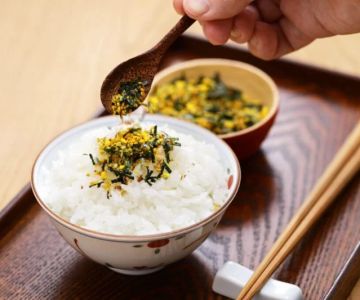
 Nara Japanese Restaurant4.0 (625 reviews)
 Blue Sushi Sake Grill4.0 (1480 reviews)
 Hook's on 9th4.0 (983 reviews)
 Taka Sushi3.0 (14 reviews)
 Hibachi Express4.0 (138 reviews)
 Sarku Japan4.0 (146 reviews)
 A Foodie’s Experience at Shimogamo Japanese Restaurant – A Taste of Authentic Japanese Cuisine
 What Makes Minamoto Japanese Restaurant Stand Out Among Japanese Restaurants
 Top Dishes You Should Order at Suteishi Japanese Restaurant
 Mirin vs Sake vs Rice Vinegar: How to Use Japanese Cooking Liquids
 What Is the House Soup at Japanese Restaurants?
 Why Locals Recommend Japanese Sushi Restaurants