
Japanese Restaurant Seating: Counter, Table, or Tatami?
On this page
Quick answer
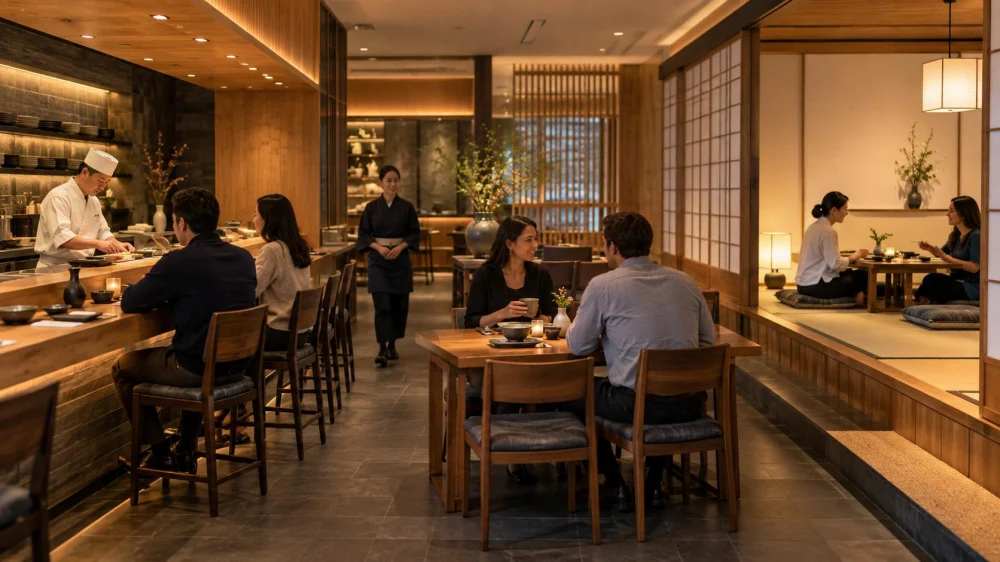
Choose a Japanese restaurant counter for a close view of preparation and a smaller party, a standard table for flexible group conversation and easier access, or tatami-style seating for a traditional atmosphere when everyone can sit comfortably and follow footwear rules. Before reserving, confirm seat height, back support, stairs, wheelchair access, children's needs, privacy, and whether the restaurant assigns seats.
This guide is for diners comparing seating at Japanese restaurants in the United States. Individual venues use different layouts and terms, and not every counter, table, or tatami-style area offers the same experience.
When to choose counter seating
Counter seating places diners side by side, often near a sushi station, grill, open kitchen, or service area. It can be a strong choice for one or two people who enjoy watching preparation or asking brief menu questions when staff have time.
A counter is best for diners comfortable with a forward-facing conversation and a more active view. It may be less suitable for a large group, private discussion, a child who needs space, or anyone who finds a high stool difficult to use.
Not every counter is interactive. Some are simply compact seating, and some chefs need to focus during busy service. Observe the pace, keep questions concise, and follow staff cues rather than expecting a performance.
When a standard table works best
A standard-height table is usually the most flexible option for families, groups, business meals, and diners who prefer to face one another. It offers more room for shared plates, bags kept out of the aisle, children's place settings, and conversation.
Ask whether tables are fixed, closely spaced, or movable. A booth may provide back support and a defined space but can make entry difficult for some diners. A freestanding chair may be easier to position for mobility equipment or a high chair.
For a tasting menu or meal with many small dishes, ask how the restaurant manages table space and pacing. Do not rearrange dishes, heating equipment, or service items without checking with staff.
Tatami and low seating
Tatami refers to traditional woven flooring. A restaurant may offer cushions at a low table, or a recessed floor area that looks traditional while allowing the legs to extend below the table. These arrangements feel very different, so ask for a description rather than relying on the word alone.
Low seating may be uncomfortable or unsafe for diners with knee, hip, balance, pregnancy, pain, or mobility concerns. A recessed table can be easier for some people, but getting down to floor level may still be required. Choose a standard chair when comfort or safe movement is uncertain.
Shoes are commonly removed before entering a tatami area. Wear clean socks in good condition, and ask where footwear and personal items should go. Never step on tatami with outdoor shoes unless the venue clearly instructs otherwise.
Match seating to your group
Start with the practical needs of the group rather than the most photogenic option. Consider:
- Party size: counters often suit small parties, while tables can accommodate conversation across a group.
- Accessibility: ask about step-free entry, aisle width, accessible tables, chair type, and restroom route.
- Children: confirm high chairs, booster seats, stroller storage, hot surfaces, and whether counter seats are appropriate.
- Hearing and sensory needs: open kitchens and grills may be louder, brighter, or more active than a quiet table.
- Privacy: a booth or private room may work better for a sensitive conversation.
- Meal format: chef-led tasting menus, grills, hot pots, and shared plates can require specific seating.
If the group has competing needs, prioritize safe access and comfort. The experience will be better when everyone can sit, move, hear, and eat without strain.
Reservation checklist
Contact the restaurant directly when seating matters. Use this checklist:
- State the party size, date, and meal period.
- Ask which seating types are available and whether a request can be guaranteed.
- Describe functional needs clearly, such as a standard-height chair with back support or step-free access.
- Confirm whether shoes must be removed and whether the table is floor-level or recessed.
- Ask about minimum spending, set menus, time limits, deposits, or cancellation terms tied to special seating.
- Reconfirm important access needs shortly before the visit.
Online reservation labels may be brief or translated inconsistently. A direct description of the seating is more useful than assuming a label means the same thing at every venue.
Etiquette, access, and limitations
Follow host instructions about where to sit, where to place belongings, and whether shoes must be removed. Keep bags, coats, and mobility aids out of service paths while ensuring required equipment remains reachable.
At a counter, avoid reaching into the preparation area or photographing staff and other diners without permission. At low tables, move carefully and ask for help rather than using fragile furniture for support.
Accessibility features and legal requirements depend on the venue and situation. This article cannot verify any restaurant's layout. Ask direct questions, and have a backup choice if the venue cannot safely meet an essential need.
Frequently asked questions
Is counter seating always more expensive?
No. Price depends on the restaurant and menu. Some counters offer the regular menu, while others are reserved for a set or chef-led experience. Confirm before booking.
Does tatami seating always mean sitting cross-legged?
No. Some rooms have recessed spaces for the legs, while others use cushions at a low table. Ask how the specific area is built.
Can I request an accessible table?
Yes. Describe the access feature you need and ask the restaurant to confirm what it can provide. A general note on an online booking may not be enough for an essential requirement.
Can a restaurant change my requested seat?
Policies vary, and a request may not be guaranteed. Ask whether the seating type is confirmed and what alternatives are available if operations change.
Sources and evidence notes
This article reflects broad dining and accessibility principles: seating terms vary, safe access depends on specific physical features, and direct confirmation prevents avoidable surprises. It does not claim that every Japanese restaurant follows one layout or custom. Venue-specific information should come from the restaurant.
Conclusion and next steps
Choose the seat that fits party size, conversation, mobility, comfort, and meal format. If counter height, low seating, footwear removal, or step-free access matters, call before reserving and ask for a concrete description. A well-matched seat lets the food and company—not physical discomfort or uncertainty—shape the meal.


 Sakura Sushi & Hibachi Grill4.0 (161 reviews)
 Yuzu Laguna Beach0.0 (0 reviews)
 Ginza Izakaya Japanese Restaurant4.0 (64 reviews)
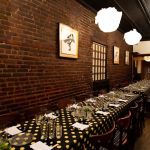 Omen Azen4.0 (164 reviews)
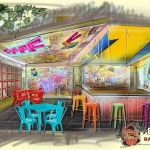 Oki Shōten (Ramen and Sake Bar)4.0 (587 reviews)
 Ichi Teriyaki 234.0 (566 reviews)
 What to Eat in a Japanese Restaurant: Best Dishes for First-Time Diners
 A Foodie’s Experience at Domo Japanese Country Food Restaurant
 The Complete Guide to Dining at Sapporo Japanese Restaurant
 What Makes Shimogamo Japanese Restaurant Stand Out Among Japanese Restaurants
 How to Make Chanko Nabe Muscle-Building Sumo Hot Pot Recipe
 Signature Sushi and Ramen at Haru Ichiban Japanese Restaurant – Best Japanese Dining Experience