
Japanese Restaurant Tea: Temperature, Flavor, and Pairing
On this page
Quick answer
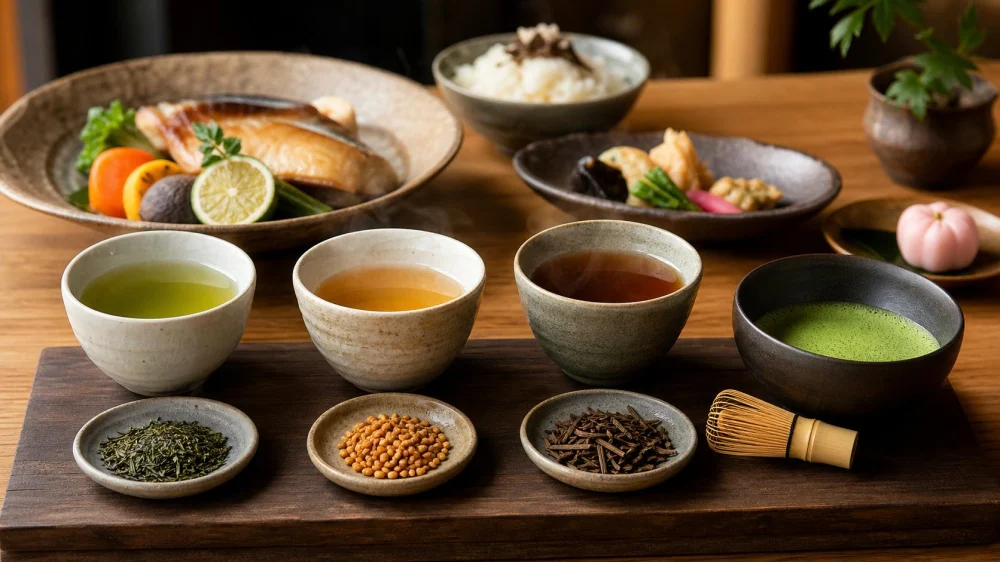
Choose sencha when you want a fresh, grassy tea; genmaicha for toasted rice aroma with savory food; and hojicha for a deeper roasted flavor that works during or after a meal. Matcha is whisked powdered tea, not simply a stronger pot of leaf tea. Ask whether tea is complimentary, refillable, sweetened, served hot or cold, and brewed to order.
This guide is for diners at Japanese restaurants in the United States. Tea selection, leaf origin, brewing method, cup size, refills, sweeteners, and caffeine vary by restaurant. The menu and staff are the best sources for the drink in front of you.
Recognize the main tea families
Sencha: fresh and green
Sencha is a widely consumed Japanese green tea made from steamed and rolled leaves. Its flavor can include fresh grass, leafy greens, seaweed-like savoriness, gentle sweetness, and a clean astringent finish. It is a useful choice when you want the tea itself to stay vivid beside a meal.
Sencha is not one fixed flavor. Leaf grade, harvest, region, water, temperature, tea-to-water ratio, and brewing time all affect the cup. A carefully brewed sencha may taste soft and savory; a hotter or longer brew can emphasize briskness and astringency.
Genmaicha: green tea with roasted rice
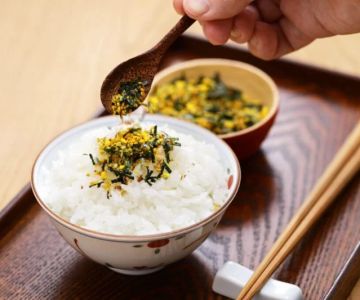
Genmaicha combines green tea with roasted rice. The rice brings a toasted, nutty, cereal-like aroma that softens the green profile and makes the tea easy to place beside food. Some rice grains may look puffed, but the defining feature is the roasted-rice blend, not popcorn flavoring.
It is a strong all-purpose choice for diners who find straight green tea too grassy or who want a warm, savory aroma without the depth of a fully roasted tea.
Hojicha: roasted and aromatic
Hojicha is roasted Japanese green tea. Roasting changes the leaf’s color and shifts the aroma toward toasted grain, nuts, wood, cocoa-like warmth, or caramelized notes. The cup is usually brown or amber rather than bright green.
Hojicha works well when the meal has grilled, fried, smoky, or sweet elements. It is also a comfortable after-meal choice for people who prefer a roast-forward finish instead of fresh green intensity.
Matcha: suspended powdered tea
Matcha is made from tencha leaves ground into a fine powder and whisked into water, so the leaf is suspended in the drink rather than removed after steeping. It has a concentrated green color, fuller body, and a flavor that can combine sweetness, savoriness, vegetal notes, and bitterness.
Traditional whisked matcha, a matcha latte, and a sweet matcha dessert are different orders. Ask whether milk or sweetener is included and whether the restaurant serves matcha as a beverage, dessert ingredient, or both.
Other teas you may see
- Gyokuro: shade-grown green tea known for pronounced sweetness and savory depth; often served in smaller quantities.
- Bancha: a broad category of everyday tea generally made from later or more mature leaves; style varies.
- Kukicha: tea made mainly from stems and stalks, often light and aromatic.
- Mugicha: roasted barley infusion. It is not made from the tea plant and is commonly served cold in warm weather.
Why temperature changes the experience
Water temperature controls which parts of a tea become prominent. Cooler brewing tends to emphasize sweetness and savory depth while limiting astringency. Hotter water extracts flavor quickly and can bring more aroma, briskness, and bitterness. Brewing time and leaf quantity work with temperature, so one variable cannot explain the whole cup.
Restaurants may serve green tea warm rather than extremely hot so it can be consumed with food. Hojicha is often satisfying at a warmer temperature because roasting aroma rises with the steam. Iced tea can be clean and refreshing, but dilution and chilling may soften aroma.
Do not assume a cup is poorly brewed because it differs from the method you use at home. House style may be designed for speed, refills, a specific meal, or a particular tea. If the cup is unpleasantly bitter, cool, or weak, ask politely whether a fresh brew or another tea is available.
Pair tea by contrast and intensity
Tea pairing is flexible. Use two practical ideas: match intensity, or create a useful contrast.
For sushi and delicate dishes
Sencha can provide a clean, fresh contrast without adding roasted flavor. A lighter genmaicha can also work when you want more warmth. Avoid assuming tea “cleanses” the palate in a medical sense; it simply changes the sensory sequence between bites.
For tempura and fried foods
A brisk sencha can contrast with richness, while genmaicha can echo toasted batter. Hojicha is a stronger roast-forward option for diners who want the tea to match the browned flavors.
For grilled foods and yakitori
Hojicha naturally meets smoke and caramelization. Genmaicha also pairs comfortably with grilled food through its roasted-rice aroma. Sencha provides the clearest contrast when sauces are sweet or savory.
For ramen, curry, and strongly seasoned dishes
Choose a tea with enough presence to remain noticeable. Genmaicha and hojicha are often easier to perceive beside rich broth, spice, or sauce. Unsweetened cold tea can be refreshing, but ask what type it is rather than assuming every iced tea is green tea.
For sweets and the end of a meal
Hojicha can mirror toasted, caramelized, nutty, or chocolate-like flavors. Sencha can contrast with a sweet finish. Matcha brings more intensity and bitterness, especially when served without milk or sugar. Let the dessert’s sweetness guide how bold the tea should be.
A simple ordering flow
- Check the format. Is tea served by cup, pot, bottle, or unlimited refill?
- Choose a flavor direction. Fresh and grassy: sencha. Toasted rice: genmaicha. Deep roast: hojicha. Concentrated and full-bodied: matcha.
- Match the meal. Use sencha for contrast, genmaicha as an all-purpose savory partner, and hojicha for grilled, fried, or sweet foods.
- Ask about temperature. Some teas are available hot or cold; others follow the house preparation.
- Confirm additions. Ask whether sugar, syrup, milk, fruit flavor, or another ingredient is included.
- Order one round first. Taste the tea with the food before changing to another style.
A practical tasting checklist
- Smell the cup before taking the first sip; heat carries much of the aroma.
- Notice whether the dominant quality is fresh, savory, toasted, roasted, sweet, or bitter.
- Take a sip before the food, then another after a bite to observe the contrast.
- Let very hot tea cool slightly rather than judging it immediately.
- Keep sweeteners out of the first sip unless the drink is designed to include them.
- When a pot is provided, ask whether to remove or strain the leaves to avoid over-steeping.
- Do not add soy sauce, condiments, or food to the tea.
- Ask before assuming refills are free or use the same tea.
Caffeine and important notes
Sencha, genmaicha, hojicha, gyokuro, and matcha generally contain caffeine because they come from the tea plant. Actual caffeine depends on the tea, leaf proportion, serving size, and preparation. Roasted tea is often described as lower in caffeine, but “lower” does not mean caffeine-free. Mugicha, made from barley rather than tea leaves, is generally caffeine-free unless blended with another caffeinated ingredient.
People vary widely in caffeine sensitivity. Consider tea along with coffee, soda, energy drinks, chocolate, supplements, and medicines consumed that day. Ask a healthcare professional about caffeine limits during pregnancy, breastfeeding, childhood, or when a health condition or medication is relevant.
A restaurant beverage may include milk, soy, nuts, sesame, barley, flavor syrups, or other ingredients not obvious from the tea name. Barley contains gluten. If you have a food allergy or celiac disease, ask about ingredients and cross-contact rather than relying on a general description.
Green tea beverages and concentrated green tea extracts are not the same exposure. Do not treat restaurant tea as a medicine or assume health claims based on an extract supplement. This article focuses on flavor and dining choices.
Frequently asked questions
Is the green tea at a Japanese restaurant always sencha?
No. It may be sencha, bancha, genmaicha, hojicha, a house blend, tea bags, powdered tea, or another product. Ask when the type matters to you.
Is hojicha a black tea?
No. Hojicha is roasted Japanese green tea, even though its leaves and brewed color can be brown. “Green tea” refers to the tea’s processing family, not only the final color in the cup.
Does genmaicha contain corn or popcorn?
Traditional genmaicha contains roasted rice blended with green tea. Some rice grains can puff and resemble popcorn. Recipes and flavored blends vary, so ask about ingredients if you have an allergy or dietary restriction.
Is matcha just powdered sencha?
No. Matcha is traditionally produced from tencha, which is grown and processed for grinding. Sencha follows a different production path and is normally infused as a leaf tea.
Which Japanese tea has the least caffeine?
The amount varies too much to rank every restaurant cup confidently. Hojicha is often lower than many green teas, and mugicha is generally caffeine-free because it is roasted barley, but confirm the actual drink and any blend. Ask for water when you need a reliably caffeine-free option.
Why does my green tea taste bitter?
Tea type, hotter water, longer brewing, more leaf, or a strong house style can increase bitterness and astringency. Let the cup cool and taste it with food. If it remains unpleasant, ask whether a lighter brew, hojicha, genmaicha, or water is available.
Sources and evidence notes
- Japan’s Ministry of Agriculture, Forestry and Fisheries: Uji tea describes major Japanese tea types and identifies matcha as ground tencha.
- Japan External Trade Organization: Japanese green tea outlines sencha, hojicha, genmaicha, matcha, and common flavor characteristics.
- U.S. Food and Drug Administration: Caffeine guidance explains individual variation, total intake, and situations that warrant professional advice.
- National Center for Complementary and Integrative Health: Green tea safety distinguishes beverage use from concentrated extracts and notes caffeine and interaction considerations.
Flavor and pairing descriptions are practical sensory guidance, not health claims or fixed service rules. Restaurant preparation and the actual tea product determine the cup.
Next steps
On your next visit, choose one tea by aroma rather than by familiarity: fresh sencha, toasted genmaicha, or roasted hojicha. Taste it before the meal, with the main dish, and after the last bite. That three-point comparison will teach you more about pairing than memorizing a rigid list of rules.
 Osaka Japanese Cuisine4.0 (107 reviews)
 Abashiri Japanese Restaurant4.0 (615 reviews)
 Sei Bar Medford4.0 (323 reviews)
 Pepper Lunch4.0 (254 reviews)
 Sushi Q4.0 (317 reviews)
 Ramen Q Hawaiian BBQ4.0 (129 reviews)
 The History and Flavor Behind Japanese BBQ Restaurants
 What Is the Okinawan Diet and Its Role in Longevity in Japan
 A Foodie’s Experience at Ebisu Japanese Restaurant: A Comprehensive Guide
 Why Japanese Restaurant Las Vegas Is a Must-Try Spot for Japanese Food Lovers
 The Complete Guide to Dining at Oishi Japanese Restaurant
 The History and Flavor Behind Mt. Fuji Japanese Restaurant