
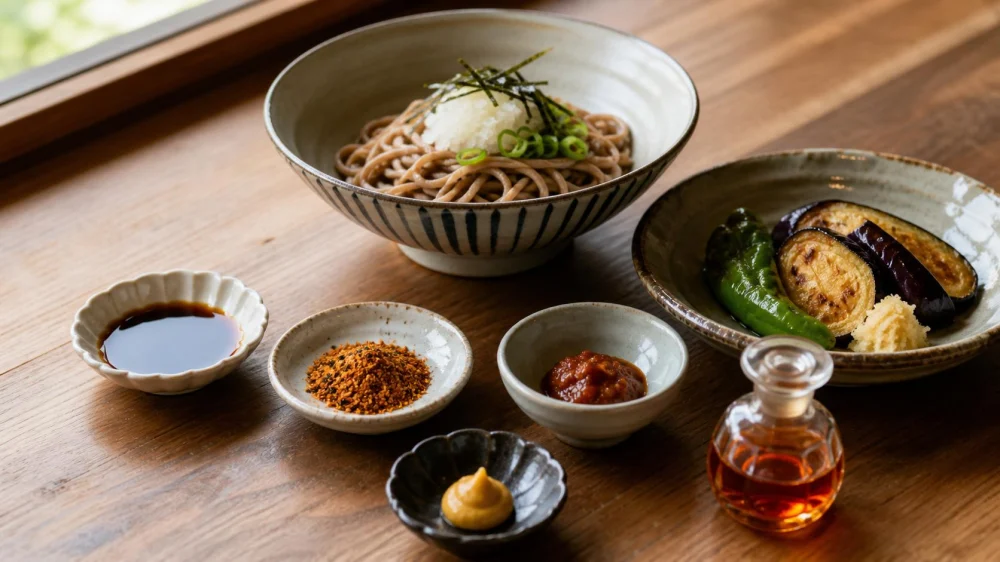
Japanese Table Condiments: Add Flavor Without Overdoing It
On this page
Quick answer
At a Japanese restaurant, taste the dish before adding a table condiment. Then add a small amount to one bite, keeping soy sauce, chili oil, shichimi, mustard, and citrus seasonings in their intended role rather than combining everything. Some condiments are already built into the chef's seasoning, so ask when you are unsure. Ingredient formulas vary, especially for allergens and sodium.
This guide is for diners exploring Japanese restaurants in the United States. Condiment customs differ by dish, region, household, and chef. There is no need to perform perfect etiquette; the goal is to preserve balance, avoid waste, and make an informed choice.
Start with the dish as served
Japanese dishes often balance salt, sweetness, acidity, aroma, bitterness, savoriness, temperature, and texture before they reach the table. A sauce may already be brushed on grilled food, mixed into noodles, placed beneath a fried item, or served in a dedicated dish. Adding a strong seasoning immediately can hide the contrast the cook intended.
Take one unseasoned bite when it is safe and appropriate. Notice whether the dish needs more salt, heat, aroma, or acidity for your preference. Change one variable at a time. This approach helps you learn what each condiment contributes and prevents an irreversible pour.
Shared bottles should remain clean. Pour into the provided small dish when that is the setup, avoid touching a bottle spout to food or utensils, close lids, and return containers where other diners can reach them.
Common condiments and their roles
Soy sauce
Soy sauce adds salt, aroma, color, and fermented savoriness. Styles vary in intensity and sweetness. Use a shallow amount for dipping rather than filling the dish. A restaurant may provide a specific sauce for sushi, tofu, grilled items, or noodles; these are not always interchangeable.
Shichimi togarashi
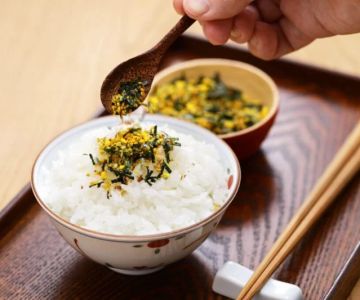
This Japanese seven-spice blend commonly combines chili with aromatic ingredients such as citrus peel, sesame, pepper, seaweed, or seeds. Recipes vary. A light shake can add aroma and heat to noodles, soups, grilled foods, or rice dishes without turning the entire dish uniformly spicy.
Ichimi togarashi
Ichimi is primarily ground red chili and gives a more direct heat than a blended shichimi. Choose it when you want chili intensity without as many aromatic notes. Begin with a small pinch.
Rayu or chili oil
Rayu contributes both heat and oil-borne aroma. It is often paired with dumplings and may appear with ramen or other savory dishes. Because oil disperses across a surface, add drops rather than a large pour and taste before adding more.
Karashi
Japanese mustard delivers sharp, concentrated heat. It can accompany tonkatsu, oden, dumplings, or other dishes depending on the restaurant. Touch a small amount to a bite instead of mixing all of it into the dish.
Yuzu kosho
Yuzu kosho is a salty, aromatic paste typically associated with citrus peel and chili. It can brighten grilled food, hot pot, soup, or meat, but its concentrated salt and heat can dominate. Use a small dab and verify ingredients if you have dietary restrictions.
Sansho
Sansho has a citrus-like aroma and a distinctive tingling quality. It is commonly associated with eel and can complement grilled or simmered dishes. It is not simply a substitute for black pepper.
Vinegar, ponzu, and citrus
Acidic seasonings cut richness and lift aroma. Ponzu may combine citrus with soy sauce and other ingredients, while some restaurants offer plain vinegar or fresh citrus. These can contain soy, wheat, fish-derived ingredients, or other allergens depending on the recipe.
How to season with control
- Identify the condiment. Ask the server when bottles are unlabeled or the presentation is unfamiliar.
- Taste first. Check the dish's existing seasoning and temperature.
- Test one bite. Add a drop, dab, or light shake to a small portion.
- Wait for the full effect. Chili heat and tingling spices can build after the first moment.
- Repeat only if needed. Increase gradually rather than trying to correct over-seasoning.
- Keep textures intact. Dip crisp food briefly so it does not become soggy.
- Stop when the condiment replaces the dish's flavor. More intensity is not always more balance.
When a dipping sauce is shared, transfer an appropriate amount to your own dish if the restaurant provides one. Do not return dipped food to a communal bowl.
Match the condiment to the dish
- Delicate sashimi or sushi: Use the sauce provided sparingly. Some pieces may already be seasoned by the chef.
- Noodle soup: Taste the broth first. Add spice in stages so the broth's base remains recognizable.
- Fried food: Use the intended sauce, salt, citrus, or mustard on individual bites and preserve crispness.
- Grilled food: A small amount of citrus, sansho, mustard, or chili may complement browning and smoke, depending on the plate.
- Rice: Do not assume plain rice needs soy sauce. It may be intended to balance strongly flavored side dishes.
- Hot pot: Personal dipping sauces may be part of the format. Follow the restaurant's explanation for condiments and shared utensils.
When to avoid adding anything: the chef has already applied a finishing sauce; you cannot identify the condiment; an allergy is possible; or the first bite already tastes balanced to you.
Dietary and allergy notes
Condiments can contain more than their visible main ingredient. Soy sauce often contains wheat; spice blends may include sesame; ponzu and dipping sauces may include soy, citrus, fish-derived stock, sweeteners, or alcohol; flavored oils can contain garlic, seeds, or other ingredients. Recipes and cross-contact practices differ.
If you have a food allergy, celiac disease, a medically prescribed sodium limit, or another restriction, do not rely on appearance or a generic ingredient list. Ask the restaurant about the specific product and preparation before using it. “Gluten-free soy sauce” and tamari are not automatically safe for every person or every preparation.
Spicy condiments can irritate some diners. Choose according to your health guidance and tolerance. Staff can explain flavor, but medical questions belong with a qualified clinician.
Frequently asked questions
Is it rude to add soy sauce?
Not generally, when soy sauce is provided for the dish. Taste first, use a modest amount, and follow any guidance from the chef or server. Avoid soaking food or filling the dipping dish unnecessarily.
What is the difference between shichimi and ichimi?
Shichimi is a blended spice with chili and aromatic ingredients; ichimi is centered on ground red chili. Exact shichimi formulas vary, so check for allergens.
Can I mix wasabi into soy sauce?
Practices vary by dish and setting. At a chef-seasoned sushi counter, follow the chef's preparation. In a casual setting, use the provided condiments in the way you enjoy while avoiding waste and shared-dish contamination.
Why are some condiment bottles unlabeled?
A restaurant may use familiar house containers, but diners should not guess. Ask a server to identify the contents, especially when allergies or dietary limits are involved.
Which condiment is best for ramen?
There is no universal best choice. The broth style and restaurant's intended options matter. Taste first, then consider a small amount of chili, pepper, garlic, vinegar, sesame, or another condiment actually provided.
Sources and evidence notes
This guide reflects common culinary uses of Japanese table condiments and broad food-allergy practice: ingredient formulas vary, cross-contact is possible, and the serving restaurant is the appropriate source for current product information. Regional traditions and individual chefs may pair condiments differently.
Next steps
At your next Japanese restaurant meal, identify the condiments, taste the dish as served, and test one seasoning on one bite. Ask what a house sauce contains and what dish it is meant to accompany. The simplest decision rule is also the most useful: add flavor gradually, preserve the dish's texture, and stop when the balance feels right.


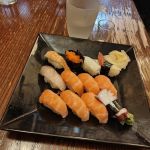
 South Main Sushi4.0 (332 reviews)
 Tera Sushi4.0 (153 reviews)
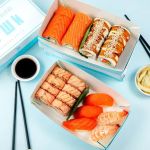
 Yama Sushi4.0 (1379 reviews)
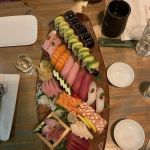
 Yaposhkin Sushi5.0 (56 reviews)
 Takumi Sushi Ramen&Lounge4.0 (409 reviews)
 Taka4.0 (1521 reviews)
 How to Eat Octopus in a Japanese Restaurant Like a Local
 What to Order at a Japanese Restaurant: A Guide for First-Time Diners
 Best Japanese Restaurants in Atlanta: Insider’s Guide to Sushi, Ramen, and More
 Why Ami Japanese Restaurant Westwood Is a Must-Try Spot for Japanese Food Lovers
 Why Locals Recommend Hiro Japanese Restaurant
 Why Locals Recommend Japanese Restaurants