
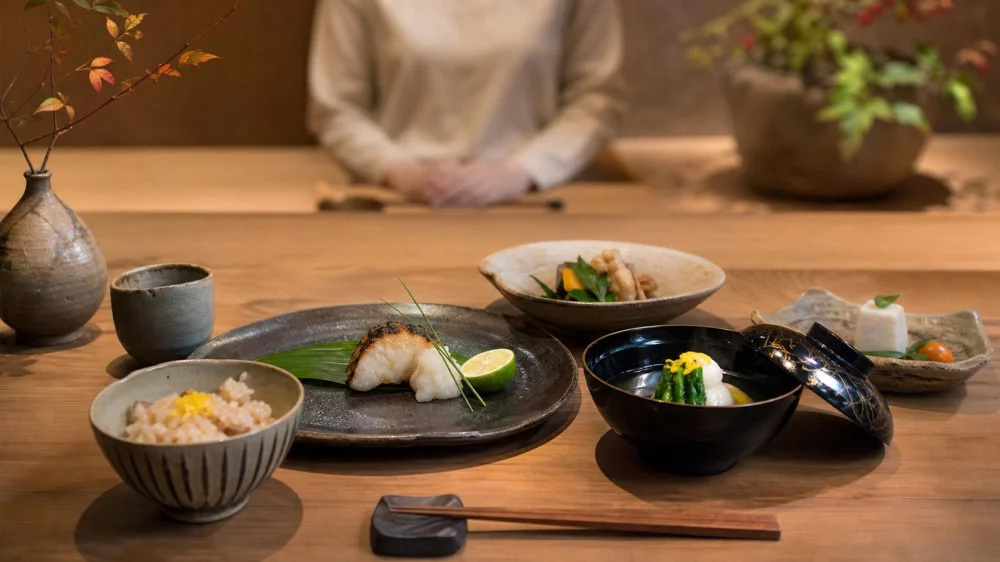
Kaiseki Dining: What to Expect From a Seasonal Meal
On this page
Quick answer
Kaiseki is a carefully sequenced Japanese multi-course meal shaped by season, ingredients, technique, tableware, and hospitality. Expect small courses to arrive one at a time over an extended sitting rather than a single large plate. Reserve ahead, confirm the price and duration, disclose allergies when booking, arrive on time, and let the restaurant guide the pace and order of eating.
Kaiseki dining is a composed meal experience in which each course has a role within a larger seasonal progression. It is not simply a tasting menu of expensive ingredients. Balance, restraint, temperature, texture, color, vessel, and the relationship between courses are central to the experience.
What kaiseki means
The word can refer to related traditions with different histories, including cuisine associated with formal banquet dining and the meal served in connection with the tea ceremony. Modern restaurants in Japan and the United States may use “kaiseki,” “kaiseki-inspired,” or “seasonal tasting menu” in different ways.
For a diner, the useful question is not whether every restaurant follows one universal script. Ask how that restaurant defines the experience: fixed or choice-based menu, number of courses, approximate duration, counter or private-room service, beverage format, and whether the chef changes the menu daily or seasonally.
How the meal may flow
A kaiseki meal often moves from lighter introductions toward more developed savory courses, then rice and soup, followed by a modest sweet or fruit. The exact sequence and terminology vary, but a diner may encounter:
- A small opening bite that establishes the season
- A clear soup or lidded bowl focused on aroma and delicate flavor
- Sashimi or another precisely prepared raw course when included
- A grilled course highlighting browning, smoke, or concentrated flavor
- A simmered, steamed, or composed vegetable course
- A palate-refreshing or vinegar-dressed dish
- Rice, soup, and pickles as a grounding conclusion to the savory meal
- Seasonal fruit, a light sweet, or tea
Not every meal includes every category, and ingredients may repeat in deliberately different forms. Courses are often small because the complete sequence supplies the meal. Avoid filling up beforehand or adding extra dishes until you understand the planned portions.
Seasonality and presentation
Season appears through ingredients, garnishes, colors, shapes, and tableware. A leaf, blossom, chilled glass vessel, warm earthenware bowl, or pattern may suggest a moment in the calendar. Decorative natural elements may not be edible, so ask before tasting an unfamiliar garnish.
Pause briefly when a course arrives. Notice the arrangement and listen to the server’s explanation, then eat while the intended temperature and texture remain. The experience rewards attention, but diners do not need specialist vocabulary or the ability to identify every ingredient.
Photography policies vary. Ask once before taking pictures, keep the flash off, and avoid delaying the course or disrupting other guests. At a counter, large equipment and repeated staging can interfere with service.
Reserve and communicate well
Many kaiseki restaurants buy and prepare ingredients for a specific number of guests, so advance booking, deposits, prepayment, and strict cancellation rules are common. Read the policy before confirming.
- Confirm the menu price, service charges, taxes, beverage policy, and cancellation terms.
- Ask the expected duration and whether all guests must begin together.
- State food allergies, celiac disease, pregnancy-related restrictions, religious needs, or strong aversions during booking—not after the first course arrives.
- Ask whether the kitchen can safely accommodate each need. A fixed menu built around dashi, soy, seafood, or shared preparation may have limited substitutions.
- Confirm dress expectations, accessibility, seating, and whether children can be accommodated.
- Update the restaurant promptly if the party size or arrival time changes.
A restaurant declining a dietary request may be making a safety or menu-integrity decision rather than showing unwillingness. Choose another experience if the kitchen cannot meet a medically necessary restriction.
At the table
Arrive a little early and follow staff guidance for coats, shoes, bags, and seating. If a warm or cool towel is offered, use it for your hands and place it neatly where directed.
Eat courses in the order served unless the staff suggests otherwise. For a plate with several small items, there may be no single mandatory sequence; move from delicate to stronger flavors when uncertain. Use the provided utensils and ask how to handle an unfamiliar vessel rather than forcing it open or moving food to another plate.
Chopstick basics matter more than elaborate performance. Do not point with them, pass food directly from chopsticks to chopsticks, spear shared food casually, or stand them upright in rice. Place them on the rest when pausing.
Sake pairing is optional. Water, tea, and nonalcoholic choices can support the meal. If alcohol is served, pace it across courses, arrange safe transportation, and do not pressure other guests to drink.
First-visit checklist
- Read the restaurant’s own description of the menu and service style.
- Confirm total price structure, duration, deposit, and cancellation terms.
- Disclose dietary needs and request explicit confirmation before booking.
- Arrive on time with the complete party.
- Listen to the course explanation and ask before eating decorative elements.
- Eat each course while its temperature and texture are at their best.
- Ask before photography and keep devices unobtrusive.
- Follow simple chopstick courtesy and the restaurant’s guidance.
- Allow the full scheduled time rather than rushing the final courses.
Limitations and dietary notes
Kaiseki is not ideal for every occasion. It may not suit diners who need extensive last-minute substitutions, a very short meal, constant phone access, or a predictable list of familiar dishes. A less formal set menu or à la carte restaurant may provide more flexibility.
Common ingredients can include fish and shellfish, soy, wheat, sesame, egg, dairy, nuts, buckwheat, alcohol-containing seasonings, and fish-based dashi. Ingredient lists alone do not describe cross-contact. Diners with serious allergies must rely on direct communication with the restaurant and their own medical guidance.
This article describes common practice, not a fixed etiquette code. Restaurants in the United States adapt service to their setting, staff, ingredients, and guests. The restaurant’s instructions and current policies take priority.
Frequently asked questions
How long does a kaiseki meal take?
Often longer than a standard dinner because courses arrive in sequence, but there is no universal duration. Ask the restaurant for its expected seating time and leave a buffer for transportation and final service.
Is kaiseki the same as omakase?
They can overlap but are not identical terms. Omakase means entrusting the selection to the chef and is often associated with sushi counters; kaiseki describes a broader seasonal multi-course composition. A restaurant may combine elements of both.
Do I have to eat every bite?
No. Taste thoughtfully, but do not force food that conflicts with a restriction or makes you unwell. If something is unsafe or unexpected, discreetly tell the server so the kitchen understands the reason.
Should I tip at a kaiseki restaurant in the United States?
Check the bill and reservation terms for included service charges, then follow the restaurant’s stated policy and local practice. Ask staff if the treatment of a service charge is unclear.
Can a vegetarian eat kaiseki?
Sometimes, but traditional stocks and seasonings may contain fish even when a dish looks vegetable-based. Ask before booking whether the restaurant offers a fully vegetarian menu and how it handles the request.
Sources and evidence notes
This guide reflects broad Japanese culinary tradition and common contemporary restaurant practice. Course names, order, ingredients, formality, and service differ by lineage and venue. The restaurant’s reservation information, staff explanation, ingredient records, and allergy procedures are the controlling sources for a specific meal.
Next steps
Choose a restaurant whose menu description matches the experience you want. Before reserving, confirm price, duration, dietary accommodation, seating, and cancellation terms. Arrive ready to follow the pace, notice the season expressed in each course, and ask concise questions when guidance will help you enjoy the meal safely.


 Akafuji4.0 (120 reviews)
 Buko Restaurant4.0 (191 reviews)
 Mizu Sushi4.0 (416 reviews)
 Masa Hibachi Sushi & Bar4.0 (984 reviews)
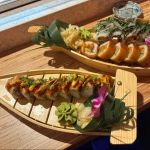 Blue Sushi Sake Grill4.0 (131 reviews)
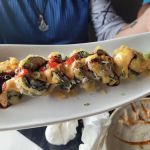 Sakura Hibachi Sushi4.0 (855 reviews)
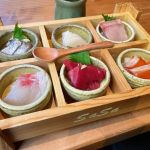 An Insider’s Review of Sasa Japanese Restaurant for Food Lovers
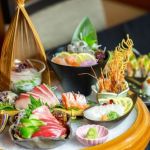 Exploring the Menu at Japanese Restaurant Atlanta for Authentic and Modern Flavors
 Japanese Breakfast Guide: What to Order and Expect
 Best Japanese Restaurants Near Bashettihalli Bangalore
 Exploring the Menu at Ami Japanese Restaurant Westwood
 A Comprehensive Guide to a Japanese Restaurant Menu