
Tsukemono Explained: Japanese Pickles at the Table
On this page
Quick answer
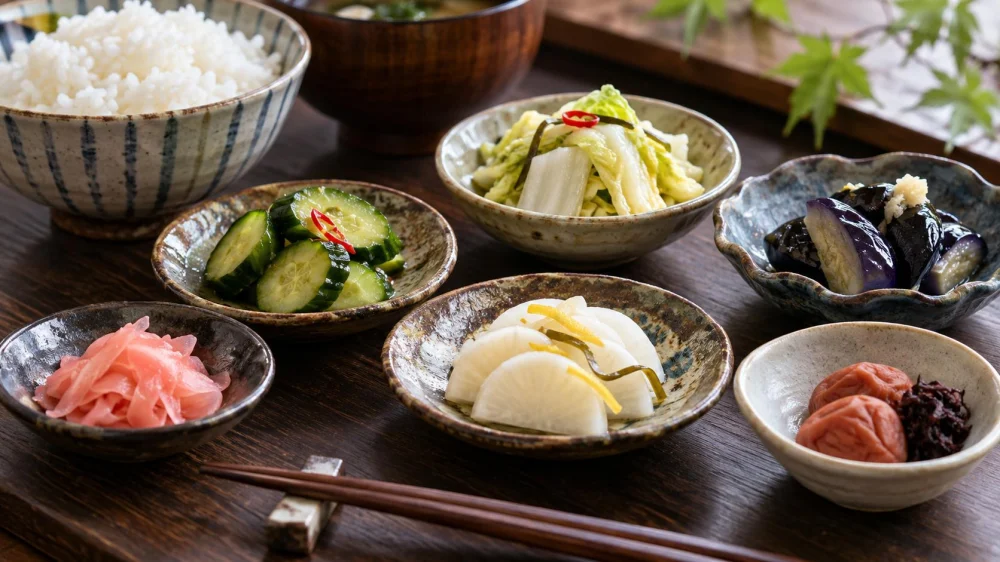
Tsukemono are Japanese pickled vegetables and fruits served as accents, side dishes, or companions to rice. They can be crisp, soft, salty, sour, sweet, earthy, or pungent depending on the ingredient and pickling medium. Eat a small bite with rice or between richer foods, ask what the assortment contains, and check seasonings if you manage sodium, alcohol, soy, wheat, or other dietary concerns.
“Tsukemono” is a broad category, not one recipe. Cucumber, daikon radish, eggplant, cabbage, ginger, turnip, plum-like ume fruit, and many regional vegetables can be preserved or seasoned in salt, vinegar, rice bran, miso, sake lees, or other mixtures. Some are briefly pickled for freshness; others develop deeper flavor over time.
What tsukemono are
Pickling changes flavor and texture while helping preserve seasonal produce. In Japanese meals, the result is often used in small amounts to sharpen appetite, refresh the palate, add crunch, or balance mild rice. Color and cutting style also contribute to the visual rhythm of the tray.
Restaurant translations may say “Japanese pickles,” “assorted pickles,” “pickled vegetables,” or name a particular ingredient. The English word “pickle” can suggest a sour cucumber, but tsukemono cover a much wider range. Some are vinegar-forward; others taste mainly salty, savory, sweet, fermented, or aromatic.
Common pickling methods
The method gives useful clues about flavor, although recipes vary:
- Shiozuke: salt pickling, ranging from a light, fresh cure to a longer preservation process.
- Asazuke: a lightly or briefly pickled style that often keeps a fresh vegetable character and crisp texture.
- Suzuke: vinegar pickling, usually bright and tangy, sometimes with sweetness.
- Nukazuke: vegetables pickled in a seasoned rice-bran bed, often with a complex savory aroma.
- Misozuke: ingredients cured in miso, producing a concentrated salty-sweet and umami-rich flavor.
- Kasuzuke: pickling with sake lees, which can create fragrant, sweet, and distinctive notes.
Names may describe the technique, ingredient, region, or finished dish. For example, gari is thinly sliced pickled ginger commonly served with sushi, while takuan commonly refers to pickled daikon. Umeboshi are salted and preserved ume with an intensely sour-salty taste; they are not the same as a mild Western plum pickle.
Their role in a Japanese meal
In a set meal, a small dish of pickles may accompany rice and soup. Their seasoning contrasts with plain rice and provides a crisp or bright pause between bites. In a multi-course meal, season, region, and presentation may influence the selection. At an izakaya, a larger assortment may be ordered as a snack or shared side.
Pickled ginger beside sushi has a specific palate-refreshing role. It is generally eaten between different pieces rather than piled on top of each one. Other pickles can be eaten with rice, alongside grilled food, or as directed by the meal’s arrangement. There is no need to finish a very salty or strongly flavored portion in a single bite.
How to taste and order them
If the menu offers a tsukemono assortment, it can be a useful way to compare textures and methods. Use this simple approach:
- Ask which vegetables or fruits are included and whether the selection changes seasonally.
- Start with a milder, lighter-colored pickle before a strongly seasoned one.
- Taste a small piece by itself, then try it with rice or the dish it accompanies.
- Notice texture, acidity, salt, sweetness, aroma, and aftertaste rather than expecting every item to be sour.
- Use shared chopsticks or serving utensils when provided for a communal plate.
Choose asazuke or light cucumber and cabbage pickles when you prefer fresh crunch. Nukazuke may suit diners curious about earthy fermented flavor. Umeboshi or mustard-spiked pickles can be intense. Ask the server for a mild or mixed selection instead of guessing from color alone.
Dietary and safety notes
Tsukemono can be high in sodium, and a small portion may be intentional. People following sodium limits should ask about preparation and portion size. Seasonings may contain soy, wheat, sesame, fish-derived ingredients, alcohol-related products, sugar, artificial color, or other components that are not obvious from appearance.
Fermented does not automatically mean a food contains live cultures when served; processing and storage vary. Likewise, a vegetable dish is not automatically vegan or free from major allergens. For a serious allergy, ask the restaurant about ingredients and cross-contact before ordering.
Home pickling requires a tested recipe and safe handling. Do not infer preservation safety from taste, smell, or a restaurant-style description. This article explains dining context and is not a home food-preservation procedure.
Sources and evidence notes
This guide reflects established categories and dining roles within Japanese food culture: varied pickling media create distinct flavors, and small servings commonly accompany rice or balance a meal. Recipes, names, and service customs vary by region, household, producer, and restaurant, so the kitchen’s description should guide a specific order.
Frequently asked questions
Are all Japanese pickles fermented?
No. Some undergo fermentation, while others are quickly salted, vinegar-pickled, or seasoned by another method. Ask about the preparation if fermentation matters to you.
Are tsukemono always sour?
No. They may be salty, sweet, savory, earthy, pungent, or only mildly tangy. The ingredient and pickling medium shape the flavor.
Why are portions so small?
Many tsukemono are concentrated in flavor and function as an accent to rice or other dishes. A small portion can provide enough contrast for the meal.
Can I order tsukemono separately?
Some restaurants offer an assortment or individual pickles, while others include them only with a set or specific dish. Ask what is available that day.
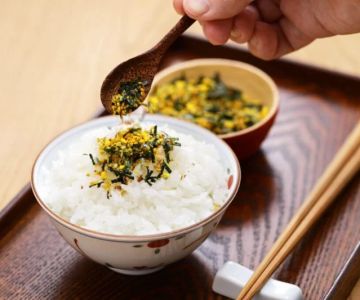
What is the yellow pickle served with rice?
It may be takuan, a pickled daikon preparation, but color alone is not reliable. Ingredients and coloring methods vary, so ask the restaurant.
Conclusion and next steps
Tsukemono make sense when viewed as small, purposeful contrasts within a meal. Ask what vegetables and methods are represented, begin with modest bites, and pair them with rice or the accompanying dish. A mixed plate can reveal how salt, vinegar, rice bran, miso, and other media transform familiar produce in very different ways.


 Old Dominion Grill and Sushi4.0 (538 reviews)
 Fat Dragon Sushi Bar4.0 (38 reviews)
 Sake Bon II4.0 (837 reviews)
 Bento Box4.0 (567 reviews)
 Rakugaki4.0 (126 reviews)
 Sarku Japan3.0 (145 reviews)
 What Makes Ami Japanese Restaurant Stand Out Among Japanese Restaurants
 Yakitori Menu Guide: Skewers, Seasonings, and Etiquette
 Seasonal Japanese Menus: What Changes and Why
 What Makes Hiro Japanese Restaurant Stand Out Among Japanese Restaurants
 The Complete Guide to Dining at Nikko Japanese Restaurant
 The History and Flavor Behind Domo Japanese Country Food Restaurant: A Culinary Journey