What Is Teishoku? A Guide to Japanese Set Meals
On this page
Quick answer
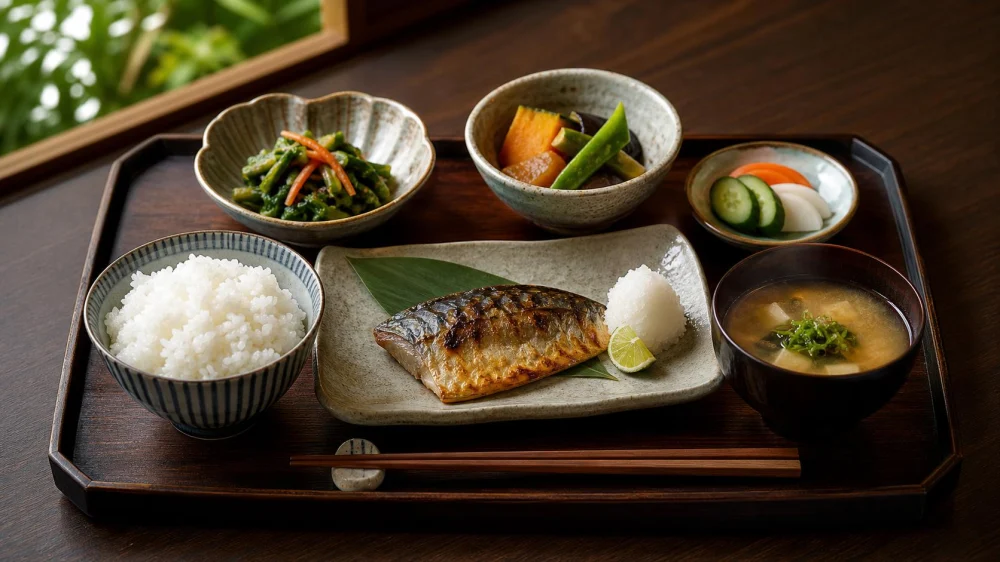
Teishoku is a Japanese set meal served as a coordinated tray, usually with rice, soup, a main dish, pickles, and one or more small sides. Choose it when you want a complete, structured meal rather than several shared plates. At a U.S. restaurant, confirm the main protein, rice options, refills, substitutions, and allergens because the soup, sauces, pickles, and fried items may contain ingredients not visible on the tray.
Teishoku literally refers to a fixed or set meal: several complementary components are served together for one diner at a stated price.
What teishoku means
Teishoku is everyday meal structure, not a single recipe. The main dish may be grilled fish, ginger pork, fried chicken, tonkatsu, tofu, sashimi, a hamburger-style patty, or a seasonal preparation. Rice and soup support the main, while small dishes add contrasting flavor, texture, and produce.
Japanese food-culture materials often describe a rice-centered meal with soup, one main meat or fish dish, and vegetable sides. The traditional phrase ichiju sansai means “one soup, three dishes,” generally in addition to rice and pickles. A restaurant teishoku may have fewer or more sides and should not be judged by a rigid count.
Understand the tray
- Rice: commonly short-grain white rice, though multigrain, brown rice, seasoned rice, or another option may be available.
- Soup: often miso soup or a clear soup; stock and garnish vary.
- Main dish: the primary protein or substantial vegetable preparation.
- Small sides: cooked vegetables, dressed greens, tofu, seaweed, potato salad, or another changing dish.
- Pickles: a small portion that adds salt, acidity, sweetness, or crunch.
- Condiments: sauce, grated daikon, mustard, lemon, or another accompaniment chosen for the main.
The tray works through contrast. A fried main may be balanced by cabbage and pickles; grilled fish may come with grated daikon; a strongly seasoned dish may be paired with plain rice and mild sides.
How to choose a main dish
Match the main dish to the texture, richness, and portion you want:
- Grilled fish: best for a lighter, savory set; expect bones in some preparations.
- Tonkatsu or chicken katsu: best for crisp breading and a hearty meal; not ideal when avoiding wheat, egg, fried food, or shared fryers.
- Karaage: bite-size marinated fried chicken, often juicy and strongly seasoned.
- Shogayaki: sliced pork with ginger-forward sauce, typically easy to pair with rice.
- Teriyaki-style dishes: glazed and sweet-savory; restaurant interpretations vary.
- Tofu or vegetable main: potentially suitable for plant-focused diners, but stock and sauces may still contain fish or animal ingredients.
- Sashimi set: best when raw seafood quality and temperature are the focus; not suitable for everyone.
A set is often a better choice than ordering several appetizers when you want defined portions and variety for one person. It is less ideal when the group wants to share every dish or when you only want a small snack.
How to order and customize
- Choose the main dish and note whether it is grilled, simmered, raw, or fried.
- Check whether rice and soup are included.
- Ask whether side dishes are fixed or change daily.
- Confirm portion choices and whether refills are included or charged.
- Request substitutions before ordering; the restaurant may be unable to change a composed set.
- Ask about sauces, stock, breading, and cross-contact when dietary needs matter.
Do not assume “set” means all upgrades are included. A larger rice portion, specialty rice, extra soup, premium main, or refill may cost more. In the United States, tax and tipping practices also differ from Japan, so follow the local restaurant's bill and service model.
How to eat a set meal
You do not need to finish one component before touching the next. Alternate bites of rice, soup, main dish, and sides so the mild and strong flavors balance one another. Use the supplied sauce selectively rather than covering the entire tray before tasting.
- Lift small rice and soup bowls when practical, but leave large plates on the table.
- Use chopsticks, spoon, or other utensils provided for the dish.
- Do not stand chopsticks vertically in rice or pass food directly from chopsticks to chopsticks.
- Watch for fish bones and hot bowls.
- Keep shared condiments clean and return lids when appropriate.
Etiquette should support a comfortable meal, not create anxiety. Observe the restaurant's setup, handle dishes carefully, and ask for a fork or spoon when needed.
Allergies and dietary needs
A teishoku tray can contain several recipes, increasing the number of ingredients and preparation surfaces involved. Common concerns include wheat and soy in soy sauce, fish in dashi, sesame, egg in dressings or breading, dairy in croquettes or sauces, shellfish, and cross-contact in fryers.
Ask about every component, including soup, dressing, pickles, garnish, and dipping sauce. “Vegetable” does not automatically mean vegan, and removing a visible topping does not remove an ingredient already present in stock or sauce. For a severe allergy, explain the severity and decide based on the kitchen's ability to identify ingredients and manage cross-contact.
What makes a satisfying set
- The main dish arrives at the proper temperature and texture.
- Rice is fresh, distinct, and appropriate for the sauces.
- Soup supports rather than duplicates the main's seasoning.
- Small sides provide real contrast instead of several versions of the same flavor.
- Portions feel coordinated, with enough rice and vegetables for the main.
- The restaurant answers ingredient and substitution questions clearly.
“Balanced” here describes how the components work together; it is not a medical or nutritional guarantee. Sodium, calories, allergens, and portion size vary substantially by recipe.
Limitations and important notes
Menus in the United States may use “teishoku,” “set meal,” “combo,” or “lunch set” differently. Components, refill policies, pricing, and availability can change. Contact the restaurant for current details and do not assume a set follows a traditional formula exactly.
People who are pregnant, immunocompromised, older, or managing a health condition should follow their clinician's food-safety guidance, particularly for raw or undercooked seafood, meat, or eggs.
Frequently asked questions
Is teishoku the same as bento?
No. Both can contain several components, but teishoku is typically served as a coordinated restaurant tray in separate bowls and plates. Bento is packed in a compartmented or portable container.
Is teishoku the same as kaiseki?
No. Teishoku is generally an everyday set meal served together. Kaiseki is a more formal, sequential multicourse style with a different purpose and service rhythm.
Are rice refills always free?
No. Some restaurants offer refills or portion choices; others charge for them or do not offer them. Ask before ordering.
Can teishoku be vegetarian?
Yes, if every component is prepared accordingly, but soup, sauce, and sides may contain fish or meat stock. Confirm the full tray.
What is a good first teishoku?
A grilled fish, ginger pork, or chicken set offers a clear main with rice, soup, and sides. Choose based on your dietary needs and preferred cooking method.
Sources and evidence notes
- Japan Ministry of Agriculture, Forestry and Fisheries: What Is Washoku? describes the common rice, soup, main dish, and vegetable-side structure.
- MAFF: The Washoku Way explains the ichiju sansai concept and the role of rice in a composed meal.
These sources provide cultural context. Individual restaurants determine their own set-meal composition and service.
Conclusion and next steps
Read the tray from the main dish outward: identify rice, soup, sides, pickles, and sauces, then choose a cooking method that matches your appetite. Confirm refills, substitutions, and every allergen-sensitive component before ordering. Alternate the elements as you eat—the appeal of teishoku is not one oversized dish, but a complete meal built from complementary parts.

 SAPPORO JAPANESE RESTAURANT4.0 (353 reviews)
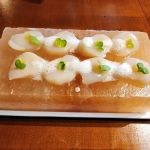 Hummingbird Sushi4.0 (110 reviews)
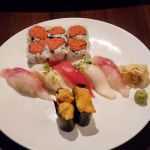 Sushi Ren4.0 (411 reviews)
 Fuji Hibachi Sushi & Lava Bar4.0 (1655 reviews)
 Ramen DANBO West Village4.0 (513 reviews)
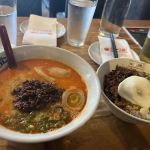 Itto Ramen & Japanese Tapas4.0 (1329 reviews)
 What Makes Ami Japanese Restaurant Stand Out Among Japanese Restaurants
 What Is the Dressing at Japanese Restaurants? Discover the Flavor Behind It
 An Insider’s Review of Sake Japanese Restaurant: Authentic Dining Experience in the Heart of America
 Why Locals Recommend Japanese Restaurant in Las Vegas – Top Japanese Food Spot
 What to Eat at a Japanese Restaurant on Whole30 – Best Compliant Choices
 Understanding the Operations of Japanese Restaurants