
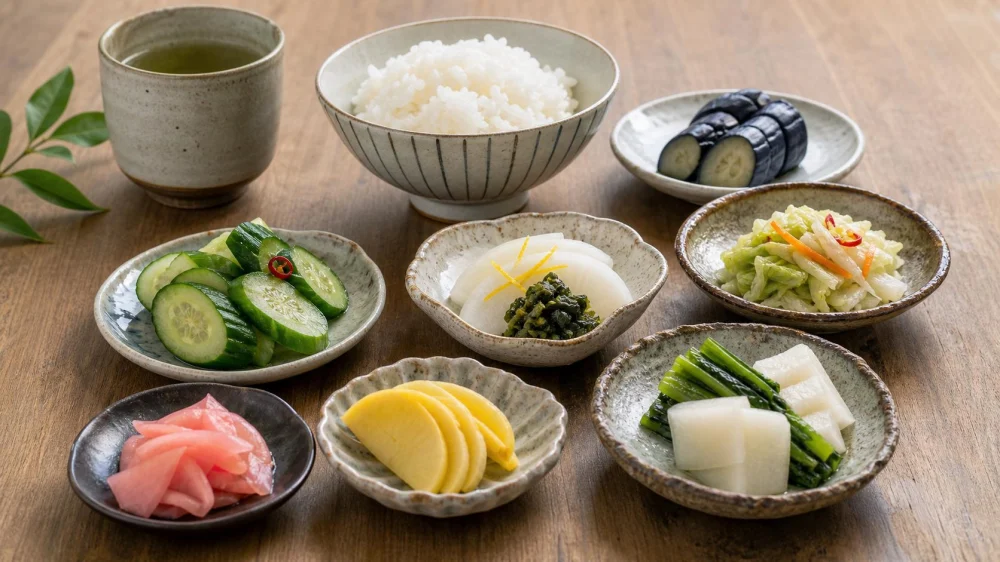
What Is Tsukemono? Choosing Japanese Pickles by Flavor
On this page
Quick answer
Tsukemono are Japanese vegetables or other ingredients preserved and seasoned through methods such as salt, rice bran, vinegar, miso, soy sauce, or brief marination. At a restaurant, choose by flavor and texture: lightly pickled cucumber is crisp and refreshing, daikon can be mild or assertive, and umeboshi is intensely sour and salty.
This guide is for diners exploring Japanese restaurants in the United States. Names, recipes, sweetness, saltiness, fermentation, and serving style vary by region, restaurant, and producer.
The role of tsukemono in a meal
Tsukemono literally refers broadly to “pickled things,” but the category includes much more than the vinegar pickles familiar in many American meals. Some are fermented for depth, some are pressed with salt, and some are quickly seasoned for a fresh crunch.
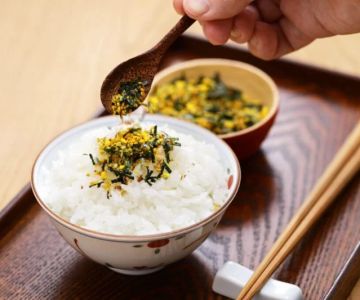
Small portions may appear beside rice, with a set meal, in a bento, as a counterpoint to rich food, or as a snack with drinks. Their role is usually to add contrast: acidity against fat, saltiness beside plain rice, crisp texture next to soft foods, or a fresh pause between bites.
Tsukemono are not normally treated as an unlimited side salad. Taste a small piece, notice its intensity, and alternate it with the other foods in the meal.
Recognize common pickling styles
The preparation method often predicts the flavor more reliably than the vegetable alone.
- Shiozuke: Salt-pickled ingredients that can range from clean and crisp to deeply seasoned.
- Asazuke: “Light” or short pickling, often leaving cucumber, cabbage, or daikon fresh-tasting and crunchy.
- Nukazuke: Vegetables pickled in a seasoned rice-bran bed, creating a savory, tangy, sometimes fermented aroma.
- Su-zuke: Vinegar-pickled items with clear acidity; sweetness varies by recipe.
- Shoyuzuke: Soy-sauce-based pickles with deeper savoriness and color.
- Misozuke: Ingredients cured or pickled with miso, often rich, salty, and umami-forward.
- Kasuzuke: Ingredients pickled in sake lees, which can have a distinctive fermented aroma and gentle sweetness.
These categories can overlap, and a restaurant may use a house method rather than list the technical name. Ask whether a selection is lightly pickled, fermented, sweet, sour, or strongly salty.
Choose by ingredient and color
Use the ingredient as a starting point, then ask about the preparation:
- Cucumber: Best for diners who want a watery crunch and a light, clean contrast. It can still be quite salty or spicy.
- Daikon radish: Can be pale and crisp or yellow, sweet-savory, and more deeply seasoned. Takuan is a well-known daikon pickle with many recipe variations.
- Eggplant: Often tender rather than crisp, with a darker color and the ability to absorb strong seasoning.
- Cabbage or leafy greens: Usually easy to share and often gently salted, though mustard greens may be more assertive.
- Ginger: Thin pickled ginger can be sweet-tart and cleansing, but the pink ginger served with sushi has a different role from thicker or spicier ginger pickles.
- Umeboshi: Pickled ume fruit with an intense sour-salty flavor. It is best for diners who enjoy concentrated acidity.
- Mixed pickles: A useful choice when you want to compare textures and seasoning styles in one order.
Color is not a perfect flavor guide. Yellow daikon may be naturally or traditionally colored depending on the product, pink ginger may use different coloring methods, and red-purple tones may come from shiso. Ask the restaurant when ingredients or additives matter to you.
How to order and eat tsukemono
- Check what is included: A set meal may already come with a small pickle portion.
- Describe your preference: Say whether you prefer crisp, mild, sour, fermented, sweet, spicy, or strongly salty flavors.
- Ask for moriawase: A tsukemono assortment, when available, is best for tasting several styles.
- Take small bites: Strong pickles are intended to be balanced with rice or other dishes.
- Use clean utensils: When sharing, use serving utensils if provided and avoid moving food directly from your mouth-contact chopsticks to another diner's plate.
Choose lightly pickled cucumber or cabbage if you are new to the category. Choose nukazuke or kasuzuke when you want fermented complexity. Choose umeboshi when you deliberately want an intense sour-salty accent.
A practical flavor checklist
Before ordering, use these questions:
- Is it lightly pickled or long-fermented?
- Is the dominant taste salty, sour, sweet, spicy, or savory?
- Will the texture be crisp, tender, or soft?
- Does the preparation contain soy, wheat, alcohol-derived ingredients, sesame, or another allergen?
- Is it served alone, in an assortment, or already included with the meal?
- Which main dish will it balance?
For a rich fried or grilled dish, a crisp and acidic pickle can provide contrast. With plain rice and a mild soup, a more savory or fermented pickle can add depth. There is no single required pairing, so let intensity guide portion size.
Limitations and important notes
Restaurant names do not guarantee a standard recipe. Sodium, sugar, acidity, fermentation, coloring, and allergens vary widely. People who need to limit sodium, have food allergies, are pregnant, are immunocompromised, or have another dietary concern should ask the restaurant and follow individual medical guidance.
Some preparations may contain soy sauce with wheat, miso, sake lees, fish-based seasoning, sesame, or commercial coloring. A vegetable pickle is not automatically vegan, gluten-free, alcohol-free, or free of cross-contact.
If staff cannot confirm ingredients or cross-contact practices, choose another item when the consequence of exposure could be serious.
Frequently asked questions
Are all Japanese pickles fermented?
No. Some are fermented, while others are quickly salted, pressed, vinegared, or marinated. Ask about the method if fermented flavor or live cultures matter to you.
Why are pickles served with rice?
Their concentrated seasoning and texture contrast with plain rice. A small amount can refresh the palate or make a simple meal more varied.
Is the pink ginger served with sushi tsukemono?
It is a type of pickled ginger and fits the broad category. Its specific purpose is commonly to refresh the palate between different pieces of sushi, rather than to top every bite.
What is a beginner-friendly choice?
Lightly pickled cucumber, cabbage, or daikon is usually approachable when described as mild and crisp. Confirm the salt, spice, and sweetness level because recipes differ.
Can tsukemono contain allergens?
Yes. Seasonings may include soy, wheat, sesame, fish-derived ingredients, or other allergens, and cross-contact is possible. Ask about the specific preparation rather than relying on the vegetable name.
Sources and evidence notes
This overview reflects established Japanese culinary categories and common restaurant practice: salt, quick, rice-bran, vinegar, soy-sauce, miso, and sake-lees pickling; small portions served for contrast; and ingredient-specific differences in texture. Recipes and terminology remain regional and kitchen-specific.
Conclusion and next steps
Start with a mild cucumber, cabbage, or daikon pickle, or order an assortment when available. Ask about the dominant flavor, texture, fermentation, and allergens. Eat small pieces alongside rice or the main dish, then use what you liked—crispness, acidity, sweetness, or savory depth—to choose your next tsukemono.


 Akafuji4.0 (120 reviews)
 Buko Restaurant4.0 (191 reviews)
 Mizu Sushi4.0 (416 reviews)
 Masa Hibachi Sushi & Bar4.0 (984 reviews)
 Blue Sushi Sake Grill4.0 (131 reviews)
 Sakura Hibachi Sushi4.0 (855 reviews)
 An Insider’s Review of Sasa Japanese Restaurant for Food Lovers
 Exploring the Menu at Japanese Restaurant Atlanta for Authentic and Modern Flavors
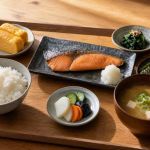 Japanese Breakfast Guide: What to Order and Expect
 Best Japanese Restaurants Near Bashettihalli Bangalore
 Exploring the Menu at Ami Japanese Restaurant Westwood
 A Comprehensive Guide to a Japanese Restaurant Menu