
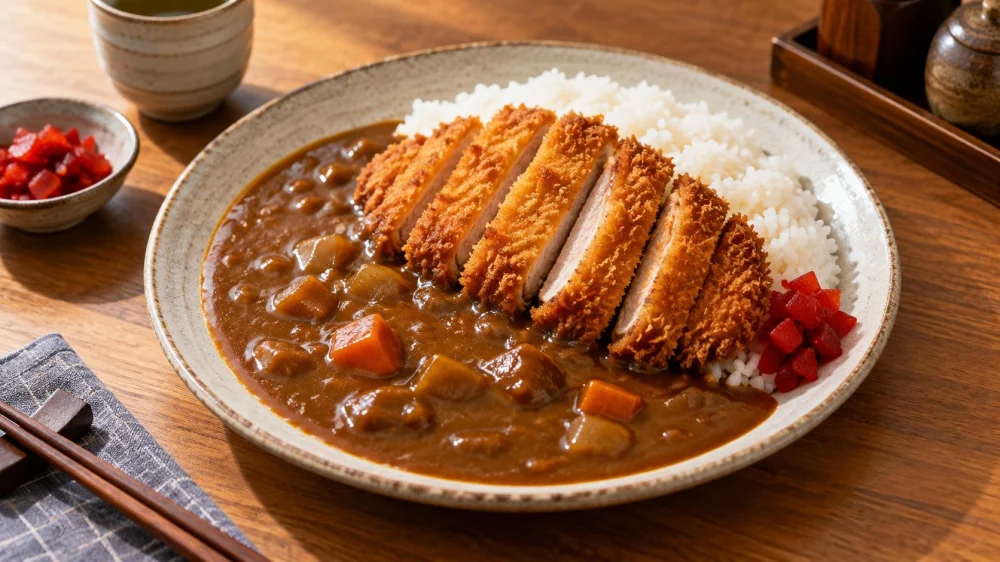
Japanese Curry Guide: Rice, Spice, and Toppings
On this page
Quick answer
Japanese curry is usually a thick, savory sauce served with rice and a chosen main item, often with pickles or an optional topping. When ordering, compare the protein or vegetable base, stated spice level, portion style, and add-ons. Ask whether spice can be adjusted and whether the sauce contains allergens or animal ingredients if those details affect your meal.
What Japanese curry rice is
Japanese curry rice, often called kare raisu, pairs steamed rice with a smooth, thickened curry sauce. The flavor is commonly savory and gently sweet, with warmth that can range from mild to hot. Recipes vary by restaurant, household, and regional style.
This guide is for diners in the United States who want to understand a menu before ordering. It describes common patterns, not rules for every kitchen.
Choose the main style first
- Plain or vegetable curry: best when you want the sauce and vegetables to lead.
- Katsu curry: adds a sliced breaded cutlet for crunch and richness.
- Chicken, beef, or pork curry: may use pieces cooked in the sauce or a separate topping.
- Seafood curry: can be lighter or more aromatic, depending on the kitchen.
- Omelet curry: pairs the sauce with soft egg over or beside the rice.
Menu names do not guarantee a preparation method, so ask whether the protein is breaded, simmered, grilled, or served separately when that distinction matters.
Read spice and texture cues carefully
Japanese curry can feel mild even when it contains many spices because the sauce may also include fruit, vegetables, or other sweet and savory ingredients. A numbered heat scale is restaurant-specific; level three at one place may not resemble level three elsewhere.
For a first visit, choose the kitchen's middle or standard level unless you prefer very mild food. Ask whether heat is mixed into the sauce or added afterward, because that affects whether it can be adjusted.
Balance rice, sauce, and toppings
- Choose a regular portion when you are testing an unfamiliar sauce or spice level.
- Add cheese or egg for richness, but remember that each can soften perceived heat.
- Use pickles as a bright, crisp contrast rather than mixing all of them into the plate at once.
- Keep a crunchy cutlet partly out of the sauce if you value texture.
- Order extra sauce only when you know the rice-to-sauce balance you prefer.
A practical ordering checklist
- Pick the main preparation: plain, vegetable, cutlet, meat, seafood, or egg.
- Choose a heat level using the restaurant's description, not another restaurant's scale.
- Confirm rice size and whether larger portions also include more sauce.
- Select one topping that adds a texture or flavor you actually want.
- Ask about allergens, stock, roux, breading, and shared fryers when relevant.
- Taste the sauce, rice, and garnish separately before adjusting the whole plate.
Limits and important notes
Curry color does not reliably indicate heat, ingredients, or dietary suitability. A vegetable topping does not necessarily mean the sauce is vegetarian, and gluten, dairy, egg, soy, or other allergens may appear in the roux, stock, cutlet, garnish, or shared equipment.
People with allergies or strict dietary requirements should ask the restaurant directly and avoid relying only on menu photos or familiar dish names. Staff may need time to check packaged ingredients and kitchen practices.
Frequently asked questions
Is Japanese curry the same as Indian or Thai curry?
No. Each tradition contains many regional and restaurant variations, but Japanese curry rice commonly uses a thick sauce served with short-grain rice and a separate main or topping.
What is the difference between katsu curry and curry rice?
Katsu curry includes a breaded cutlet, while curry rice can be served plain or with vegetables, simmered meat, egg, seafood, or other toppings.
Should I mix all the rice and curry together?
You can eat it however you enjoy it. Taking portions from the meeting edge lets you control the sauce-to-rice ratio and preserve contrast longer.
Sources and evidence notes
This article uses widely recognized Japanese menu terms and common restaurant service patterns. Recipes and ingredient lists are kitchen-specific, and English menu translations may simplify preparation details. Treat the current menu and staff confirmation as the primary source for portion, spice, allergen, and dietary information at a particular restaurant.
Conclusion and next steps
For a satisfying first order, choose one main item, a moderate heat level, and a rice portion that fits your appetite. Add only the topping that contributes the contrast you want. If ingredients matter for health, allergy, faith, or preference, ask about the sauce and preparation before ordering rather than judging from color or name.


 PA'S PAPA JAPANESE RESTAURANT4.0 (24 reviews)
 Kakui Sushi4.0 (157 reviews)
 Kotobuki Japanese Restaurant4.0 (159 reviews)
 TGI Oni Sushi4.0 (158 reviews)
 Tomsa Sushi4.0 (72 reviews)
 Sushi Park4.0 (254 reviews)
 Onigiri Guide: Fillings, Wrappers, and How to Eat It
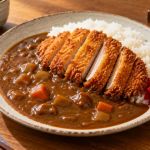 Japanese Curry Guide: Rice, Spice, and Toppings
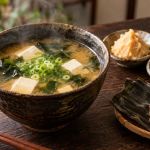 Miso Soup at Restaurants: Dashi, Miso, and Variations
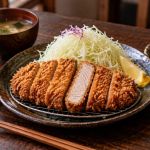 Tonkatsu Set Meal Guide: Pork Cuts, Sauce, and Sides
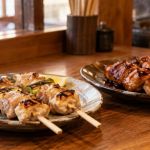 Yakitori Menu Terms: Chicken Cuts, Shio, and Tare
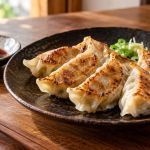 Gyoza Textures: Pan-Fried, Steamed, Boiled, or Crisp?