
Miso Soup at Restaurants: Dashi, Miso, and Variations
On this page
Quick answer
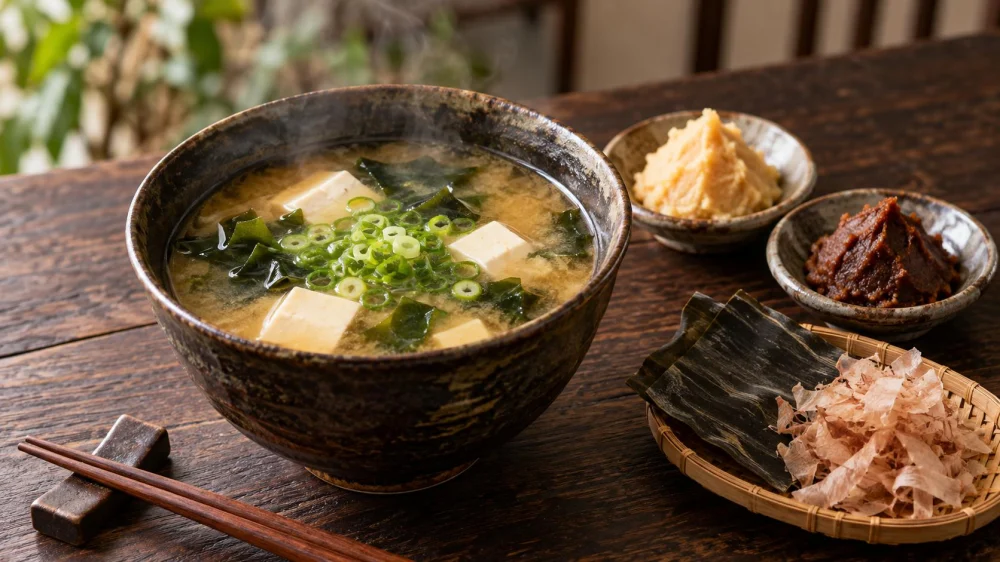
Miso soup combines fermented miso with dashi, a Japanese soup stock, then adds ingredients such as tofu, seaweed, green onion, vegetables, mushrooms, fish, or shellfish. The color alone does not predict every flavor because miso blend, stock, salt level, and ingredients vary. At a restaurant, ask specifically about the dashi and solid ingredients when allergies or vegetarian needs matter.
What miso soup is
Miso soup is a seasoned soup built by dissolving miso into dashi or another stock. Miso is a fermented paste commonly made from soybeans, salt, and koji; rice, barley, or soybean koji and the fermentation approach help create different colors, aromas, sweetness, saltiness, and depth.
Dashi is not merely hot water. It supplies the savory foundation, while miso contributes fermented flavor and seasoning. Solid ingredients add their own texture and aroma. A simple bowl can therefore reveal several choices made by the kitchen even when the portion is small.
In Japanese restaurants in the United States, miso soup may arrive with a set meal, be ordered separately, or be adapted to the restaurant's style. This guide explains common patterns, not a single required recipe.
Dashi and miso shape the bowl
Common dashi ingredients include kombu kelp, katsuobushi or dried bonito flakes, niboshi or dried small fish, shiitake mushrooms, and combinations of these. A light-looking soup can still use fish-based stock, while a darker soup is not automatically meat-based. Ask about the stock rather than inferring it from appearance.
Miso is often discussed by color:
- White or shiro miso: often lighter, milder, and sweeter, though recipes vary.
- Red or aka miso: often deeper, more robust, and salt-forward.
- Awase miso: a blend selected to balance qualities of more than one miso.
These labels are broad. Region, producer, ingredients, and fermentation all matter, so two bowls described with the same color word can taste different. “Best” depends on the meal: a delicate bowl may support mild dishes, while a strong bowl may stand up to richer food.
Ingredients and regional variation
Tofu, wakame seaweed, and green onion form a familiar combination, but they are only one version. Daikon, potato, onion, mushrooms, clams, fish, pork, fried tofu, seasonal greens, and local specialties can all appear.
The Japanese Ministry of Agriculture, Forestry and Fisheries documents regional soups that use different dashi ingredients, miso styles, seafood, vegetables, and seasonal products. That variety is a useful reminder: miso soup is a format shaped by household, region, season, and menu rather than one fixed formula.
When comparing bowls, notice four layers:
- Aroma: the first impression from stock, miso, and garnish.
- Body: clear and light, cloudy and rounded, or substantial with ingredients.
- Balance: how sweetness, saltiness, savoriness, and acidity work together.
- Texture: soft tofu, silky seaweed, crisp scallion, tender vegetables, or chewy shellfish.
How it is served and eaten
Miso soup is commonly served in a small bowl, often without a Western-style soup spoon. Lift the bowl with both hands when practical, drink the broth from the rim, and use chopsticks for solid ingredients. If a lid is provided, remove it carefully and place it as the restaurant's setting allows.
Soup in a teishoku meal can be enjoyed between bites of rice and the main dish. You do not need to finish it before eating anything else. If the miso settles, a gentle movement of the bowl can redistribute it; vigorous stirring is unnecessary.
Serve-temperature customs vary, and restaurant bowls can be hot. Pause before lifting, especially when a covered bowl traps steam. If the bowl is uncomfortable to handle, leave it on the table and ask for a spoon rather than risking a spill.
Dietary and practical notes
Miso normally contains soy. Some varieties also involve barley, and restaurant seasoning or prepared stock may contain wheat. Dashi frequently contains bonito or other fish, and solid ingredients can include shellfish, pork, or fried products made in shared equipment.
For vegetarian or vegan needs, ask whether the stock uses kombu, shiitake, bonito, niboshi, another fish, meat, or a prepared seasoning. Then ask about the visible and hidden ingredients separately. Removing fish pieces does not make fish-based dashi vegetarian.
For allergies, give the restaurant the specific allergen and severity and ask about miso, dashi, garnishes, and cross-contact. A generic “vegetable miso soup” label may describe the solids rather than the stock.
MAFF's miso soup overview shows a bowl made with bonito stock, tofu, wakame, and green onion. Its dashi and umami guide explains the role of kombu and bonito. These are examples and cultural context, not ingredient disclosures for a specific restaurant.
Frequently asked questions
Is miso soup always vegetarian?
No. Many versions use dashi made with bonito flakes or dried fish. Ask which stock the restaurant uses and whether prepared seasonings contain animal ingredients.
Does darker miso always mean a saltier soup?
No. Color can suggest a style but does not reveal the complete recipe or concentration. The miso blend, dashi, dilution, and other seasonings determine the finished balance.
Why is miso soup sometimes cloudy?
Miso is a paste with suspended solids, so settling and cloudiness are normal. Appearance can change as the bowl stands without indicating that the soup is spoiled.
Can I ask for a spoon?
Yes. Drinking from the bowl and using chopsticks for solids is common, but a restaurant may provide a spoon on request. Choose the method that is comfortable and safe.
Next steps
Before ordering, read whether the soup is included or separate and look for named ingredients. If diet or allergy matters, ask two direct questions: “What is the dashi made from?” and “What is in this bowl?” Then taste the broth before seasoning anything and notice how its miso, stock, garnish, and texture complement the rest of the meal.


 PA'S PAPA JAPANESE RESTAURANT4.0 (24 reviews)
 Kakui Sushi4.0 (157 reviews)
 Kotobuki Japanese Restaurant4.0 (159 reviews)
 TGI Oni Sushi4.0 (158 reviews)
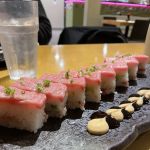 Tomsa Sushi4.0 (72 reviews)
 Sushi Park4.0 (254 reviews)
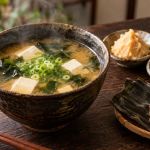 Miso Soup at Restaurants: Dashi, Miso, and Variations
 Tonkatsu Set Meal Guide: Pork Cuts, Sauce, and Sides
 Yakitori Menu Terms: Chicken Cuts, Shio, and Tare
 Gyoza Textures: Pan-Fried, Steamed, Boiled, or Crisp?
 Tsukemono Explained: Japanese Pickles at the Table
 Kaiseki Dining: How a Seasonal Japanese Meal Unfolds