
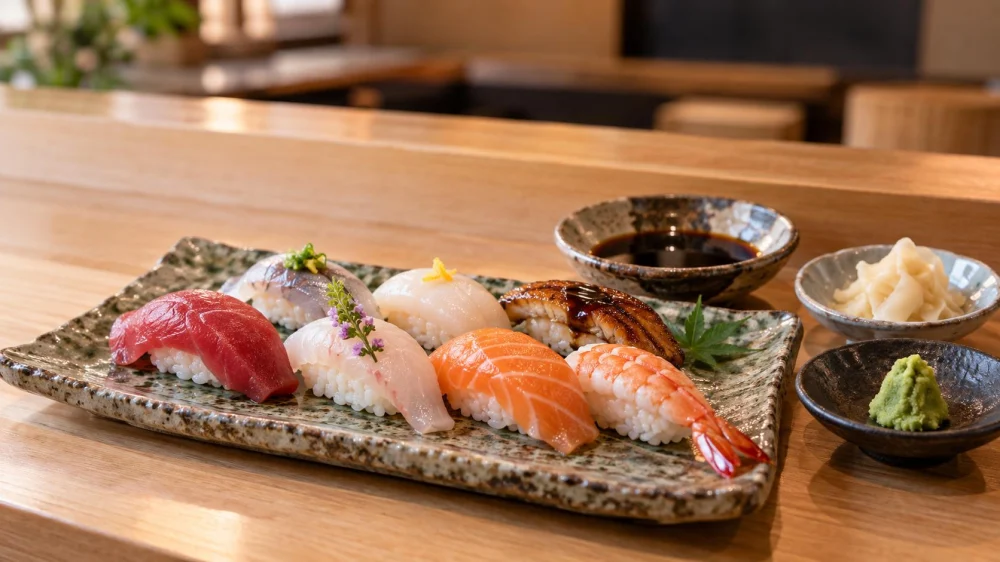
Sushi Condiments: Soy Sauce, Ginger, and Wasabi
On this page
Quick answer
At a sushi restaurant, use soy sauce as a light accent, eat pickled ginger between different pieces to refresh the palate, and add wasabi only when needed. Many chefs already season or brush sushi, so taste or ask before adding anything. Etiquette is flexible: handle the food neatly, avoid waste, and follow the restaurant's guidance.
What each condiment does
Soy sauce adds saltiness and umami. Pickled ginger, called gari, is usually a palate cleanser between bites rather than a topping. Wasabi provides sharp heat and aroma. These are supporting flavors, not a required mixture.
This guide is for diners in U.S. Japanese restaurants. Service styles range from casual rolls to chef-led counters, and house practices differ. No condiment rule should override allergy safety or direct instructions from staff.
Use soy sauce lightly
Pour a small amount and refill only if needed. For nigiri, touch the fish side—not a large area of rice—to the sauce when practical. Saturated rice can fall apart and dominate the intended balance. Some pieces arrive brushed with sauce or seasoned with salt, citrus, or another garnish and need no additional soy sauce.
For rolls, dip one edge rather than soaking the piece. If the roll already has a strong sauce, taste it first.
Eat ginger between pieces
Use a slice of pickled ginger between different fish or flavor groups to reset the palate. Placing ginger on top of every piece can cover subtler flavors. Eat only the amount you enjoy; it is not necessary to finish the entire portion.
Handle wasabi with restraint
Nigiri may already contain wasabi between the fish and rice. If extra wasabi is provided, place a small amount on the fish or use it as the restaurant suggests. Mixing a large mound into soy sauce can overwhelm the sushi and makes it hard to control each bite.
Wasabi heat can feel intense but usually fades quickly. Start with less, especially when the chef's seasoning is unknown.
Follow the restaurant's style
- Notice whether pieces arrive individually and already seasoned.
- Ask, “Is this ready as served?” when uncertain.
- Use hands or chopsticks for sushi according to comfort; either can be appropriate.
- Eat nigiri in one bite when comfortable, but do not force a piece that is too large.
- Keep shared condiment utensils clean and avoid returning used chopsticks to communal dishes.
At an omakase counter, the chef may specify how a piece is best eaten. In a casual restaurant, diners usually have more control. Courtesy and attention matter more than performing rigid rules.
Dietary notes
Soy sauce commonly contains wheat and soy. Imitation wasabi, sauces, marinades, and pickled ginger may contain additional ingredients. Raw or undercooked seafood carries food-safety risks, especially for pregnant people, older adults, young children, and people with weakened immune systems.
Tell staff about allergies before ordering and ask about cross-contact. When raw seafood is not appropriate, choose fully cooked dishes and confirm preparation.
Frequently asked questions
Should I mix wasabi into soy sauce?
It is common in some casual settings, but not necessary. Keeping them separate gives better control and respects pieces already seasoned by the chef.
Is ginger a sushi topping?
It is generally eaten between pieces as a palate cleanser, though personal preference and restaurant style vary.
Can I eat sushi with my hands?
Yes. Sushi may be eaten with clean hands or chopsticks. Sashimi is normally handled with chopsticks.
What if a piece already has sauce?
Taste it as served or ask first. Additional soy sauce may hide the intended seasoning.
Sources and evidence notes
The Japan National Tourism Organization's manners guide notes that sushi may be eaten with chopsticks or hands and advises dipping the fish rather than the rice in soy sauce. Restaurant customs and individual chef preferences can differ.
Next steps
Start with only a little soy sauce, keep ginger for transitions, and add wasabi gradually. Look for seasoning already on the sushi and ask when uncertain. Prioritize a comfortable, tidy meal and clear allergy communication over strict performance.



 PA'S PAPA JAPANESE RESTAURANT4.0 (24 reviews)
 Kakui Sushi4.0 (157 reviews)
 Kotobuki Japanese Restaurant4.0 (159 reviews)
 TGI Oni Sushi4.0 (158 reviews)
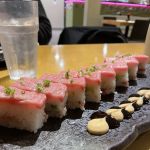 Tomsa Sushi4.0 (72 reviews)
 Sushi Park4.0 (254 reviews)
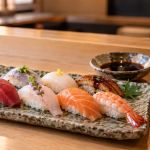 Sushi Condiments: Soy Sauce, Ginger, and Wasabi
 Soba vs. Udon: Texture, Broth, and How to Order
 Onigiri Guide: Fillings, Wrappers, and How to Eat It
 Japanese Curry Guide: Rice, Spice, and Toppings
 Miso Soup at Restaurants: Dashi, Miso, and Variations
 Tonkatsu Set Meal Guide: Pork Cuts, Sauce, and Sides